
Enzyme Jelly OEM Cost Structure: Tooling, Filling Line Yield and Minimum Order Quantities
Enzyme jelly is the format brand owners most often misprice. The assumption is that jelly is sugar and water and should therefore be cheap, and the quotation that arrives is usually higher than expected. Two costs explain the gap, and neither is obvious from the outside: the fixed cost of tooling and changeover, and the yield loss and capacity constraint of the filling line. Both weigh heavily on small orders and define the relationship between quantity and unit price. This article breaks the quotation down item by item.

1. The mass: formulation spread is wider than it looks
Mass cost varies widely, driven by three variables. The gelling system is the first: gelatin is relatively economical, pectin and particularly low-methoxyl pectin cost noticeably more, and blends depend on the ratio. Functional ingredients are the second and usually the largest source of spread - a plain fruit jelly and one carrying enzymes, probiotics, collagen or a botanical extract can differ several-fold. Fruit juice or puree content is the third, raising cost and raising the bar on raw material quality and stability as well.
One point is regularly missed: functional ingredients have an effective inclusion threshold. If the product is meant to deliver a benefit, the dose has to be meaningful rather than token, and that threshold is what moves the cost. It is the honest explanation behind most quotation gaps. During sampling, ask for the actual amount per serving - per stick or per cup - rather than reading a percentage off the formula sheet.
2. Packaging: format sets the order of magnitude
Packaging is the second largest line, and the spread between formats is significant. Cups carry the highest unit cost once the tub, foil lid and any sleeve label are counted. Spouted pouches follow, since the pouch, spout and cap are three separate components. Stick packs have the lowest unit cost but need dedicated filling equipment.
Two hidden variables sit inside this line. Minimum order quantities: film and cup suppliers commonly require tens or hundreds of thousands of units, so a small programme either pays a premium or carries inventory. And plate or cylinder charges for custom print, a one-off cost often in the thousands, which amortises painfully across a short run.
3. Tooling and changeover: what makes jelly different
This is where jelly parts company with other formats. Cup formats need filling and sealing tooling matched to the cup; shaped pouches need forming and sealing tools; stick packs avoid complex tooling but require new formers and sealing parts whenever the width or length changes.
Tooling is a one-off charge ranging from a few thousand to tens of thousands depending on complexity. What matters is amortisation: across a run of a few hundred thousand sticks the tooling all but disappears, while across a few tens of thousands it is a visible share of unit cost. Whether tooling is expensive is a function of volume, not of the tool.
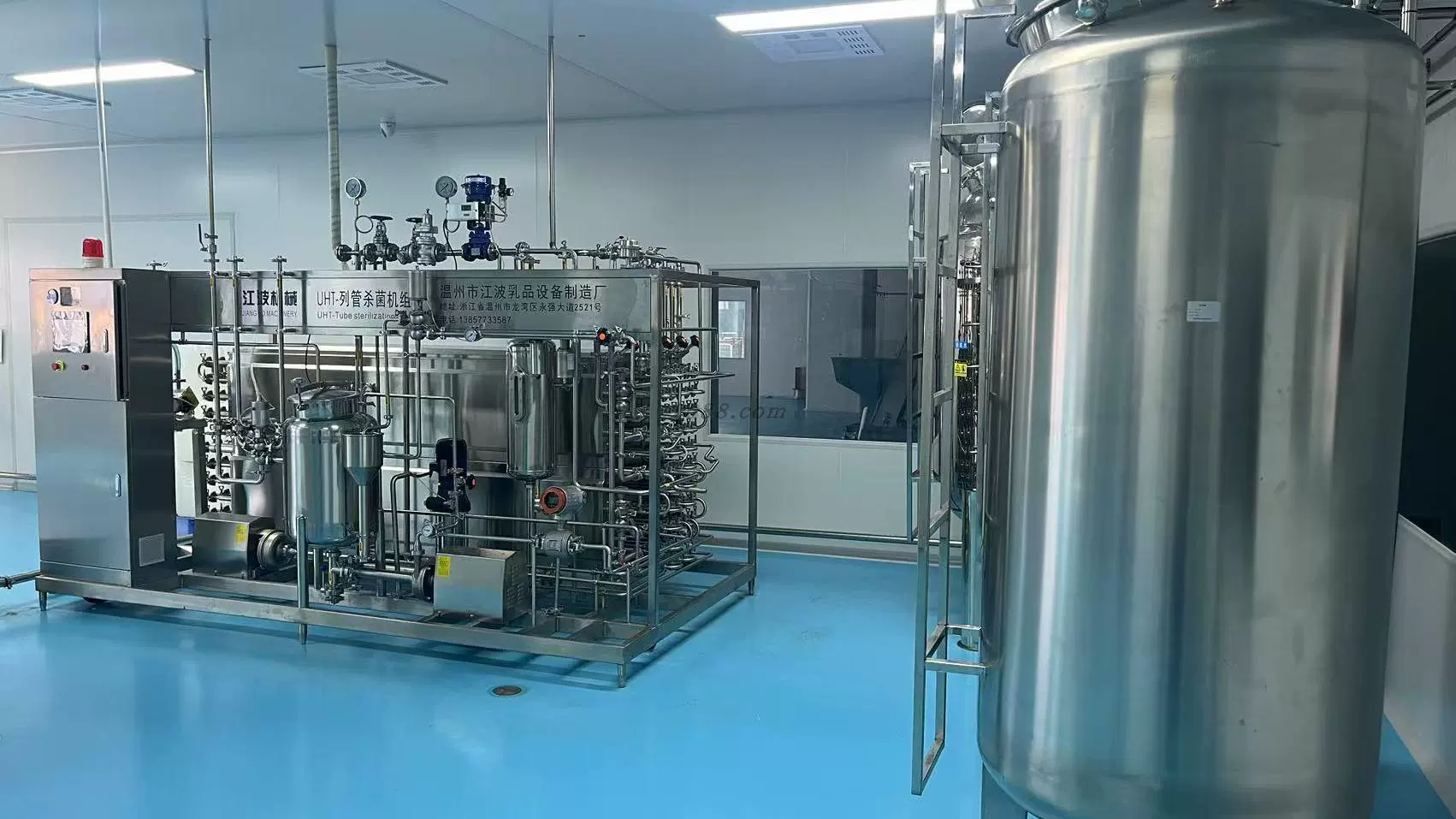
Changeover time counts too. Jelly lines are slow to clean because the mass is viscous: pipes and depositing heads have to be thoroughly washed or residue caramelises and contaminates the next batch. A single changeover can consume hours, and for short runs that lost capacity is a real share of the price.
4. Yield: the part that never appears on the quotation
Losses come from four places: product clinging to vessels and pipes, which is worse for viscous masses than for ordinary liquids; scrap during depositor set-up; rejects from seal failure; and deformation or defects during cooling or drying. Overall yield typically lands between 90 and 96 percent, falling as viscosity rises and as the pack format gets more complex.
Plants build expected loss into the unit price, but the assumptions differ, which is why one useful question when comparing quotations is what yield assumption the price is built on. A supplier who can state the assumption is usually the more reliable one.
5. Why MOQ moves unit cost so sharply
The effect of minimum order quantity is non-linear, and the reason is in the preceding sections: tooling and plates are fixed, changeover and cleaning time are fixed, and packaging minimums are fixed. Moving from thirty thousand to three hundred thousand sticks spreads those fixed costs tenfold while the variable costs - mass and packaging - barely move. The resulting drop in unit price is usually larger than brand owners expect.
Equally, a high price on a trial run is not a supplier overcharging; it is arithmetic. A sensible structure is to accept the premium for a first market-validation run while agreeing a price ladder for repeat volumes in the same contract, including how tooling is treated - charged once, or rebated across later orders.

6. Surcharges to pin down before signing
Five items are the usual source of later additions. Whether the sampling fee is creditable against production orders. Who owns the tooling and how it may be used on future runs. How packaging price movement is handled when film costs shift. Whether a formulation or specification change triggers fresh sampling and set-up charges. And whether a minimum billing quantity applies, so that producing below MOQ is still invoiced at MOQ. Settling these five up front removes most billing disputes.
For brand owners, the right quotation in enzyme jelly OEM is not simply the lowest one. It is the one whose cost structure is transparent and whose assumptions hold up - and a supplier who can explain where every cent goes is demonstrating exactly the competence you are buying.
Related Products
Extra Strength Orange Enzyme Jelly with Prebiotics | Fruit-Flavored Cup Jelly Private Label OEM Manufacturer | Collagen Fruit & Vegetable Enzyme Jelly with Prebiotics | Custom Extra Strength Jelly OEM Factory
About Guangzhou Mesen Health Biotechnology Co., Ltd
Guangzhou Mesen Health Biotechnology Co., Ltd is located in the Huashan Science and Technology Park, Huadu District, Guangzhou. The company has focused on OEM and ODM services for the big health industry for nearly 20 years, operating dedicated research, production, sales and management centres, and maintaining long-term strategic partnerships with well-known Chinese medicine colleges and research institutions. Capabilities span pressed candy, gummies, capsules, solid beverages, herbal teas, plant beverages, protein powders, dietary supplements and enzyme jelly - from formulation development through contract manufacturing. For details on minimum order quantities, sampling lead times and quotations, see our manufacturing advantages and product range, or contact us for a tailored proposal.
Further Reading


