
Plant Beverage OEM Process Selection: Extraction, Sterilisation and Aseptic Filling Routes
Plant beverages (cereal, botanical, fruit-vegetable pressed) are harder than powdered drinks because a liquid system is more sensitive to microbes, oxidation and sedimentation. From raw material to bottle the product crosses three gates - extraction, sterilisation, filling - and each decides final shelf life and mouthfeel. This guide compares routes from the plant beverage OEM process side.
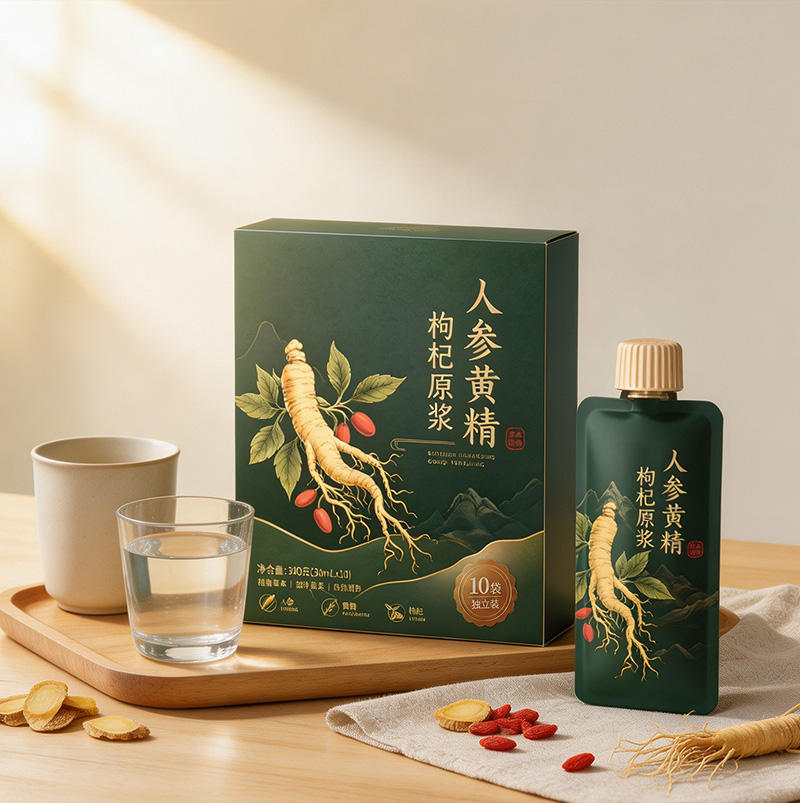
1. Extraction: water or ethanol depends on the target compound
Water extraction suits hydrophilic actives - polysaccharides, saponins, water-soluble vitamins - low cost and safe, but heat-labile compounds suffer. Ethanol extraction suits lipophilic actives - flavonoids, volatile oils - with higher yield, but needs an explosion-proof area and ethanol recovery, raising cost. Modern plants also use ultrasound- or microwave-assisted extraction to shorten time and cut thermal damage. Choose by writing "where is the target compound and is it heat-sensitive" into the process review, rather than fixing equipment first and forcing the process to fit.
2. Sterilisation: thermal versus cold, a flavour trade-off
Thermal sterilisation (UHT, tubular) is mature, reliable, cheap, but high heat loses some aroma and colour and is unfriendly to heat-sensitive formulas. Cold sterilisation (HPP, irradiation) keeps flavour but needs heavy capital and limits batch cadence. A middle road is mild thermal treatment with nitrogen blanketing. At sampling, compare flavour-retention rates and quantify sterilisation's taste impact, so you do not discover in production that "sterilised, but tasteless".
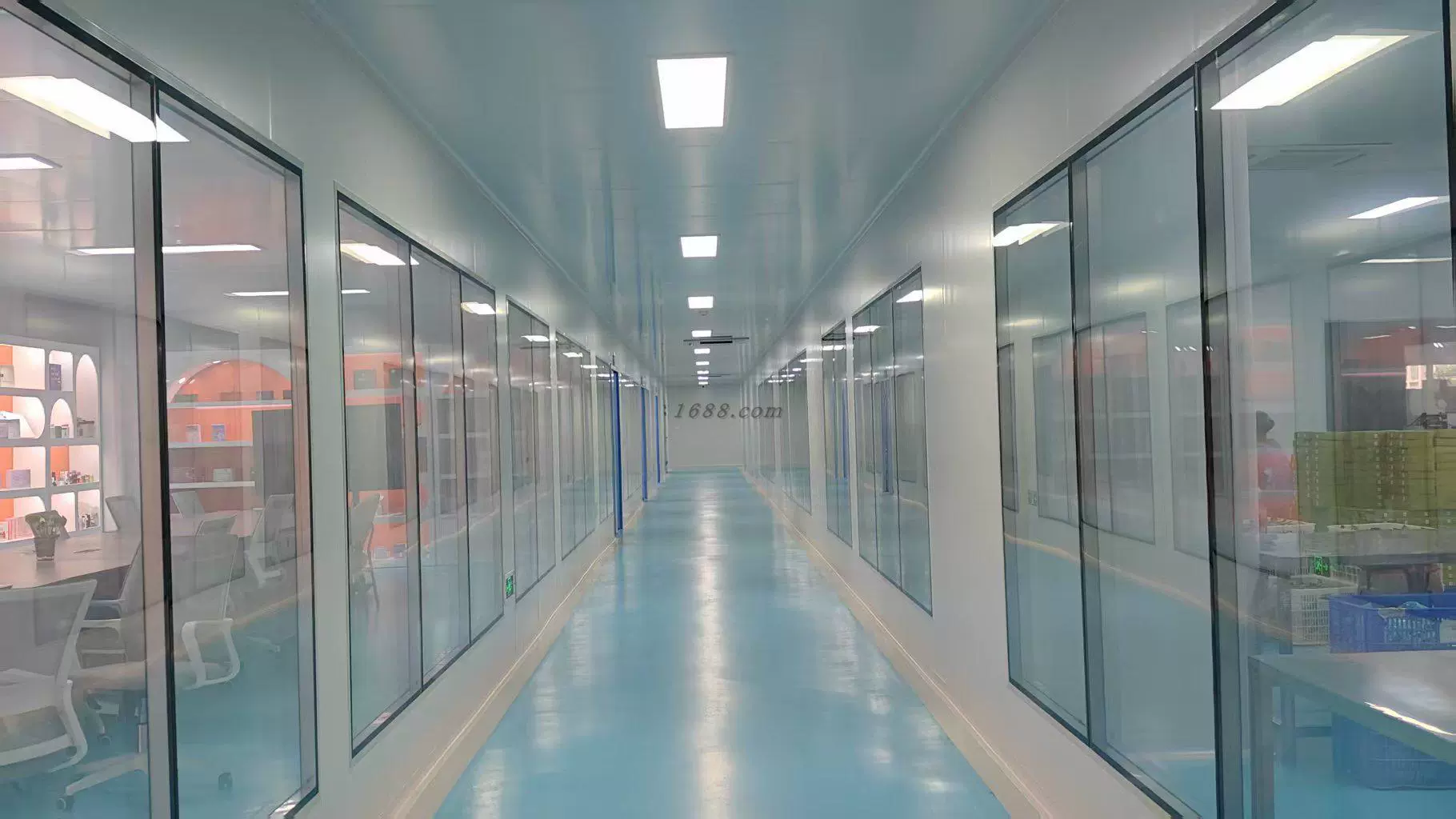
3. Filling: aseptic versus hot-fill shelf life
Hot-fill (85 to 92 degrees C, inverted for in-bottle sterilisation) is low-equipment and PET-friendly, but needs heat-resistant packaging and the product takes one thermal shock. Aseptic fill places pre-sterilised product into a pre-sterilised container in an oxygen-free, sterile environment - no thermal shock, better flavour - but needs a higher clean-class filling room and stricter CIP. Preservative-free formulas essentially force aseptic fill or HPP-then-aseptic.
4. Sedimentation and browning: the two chronic ills
Two problems appear over storage: suspended particles settling into sediment, solved by colloidal stabilisers and homogenisation (high-pressure to break up particles); and Maillard and polyphenol browning, eased by oxygen exclusion (nitrogen flush), pH control and colour-protectants. Both must be exposed early by accelerated stability testing at sampling (e.g. 37 degrees hold), not found mid-shelf-life.
5. Process parameters to lock at sampling
A producible plant-beverage process fixes at least: extraction method with time-temperature, sterilisation method with target F-value or cold-sterilisation intensity, filling method with clean class, residual oxygen after nitrogen flush, homogenisation pressure. These decide shelf life and cost. Write them into the process file so a new raw-material batch has a re-check baseline, and so sedimentation or browning can be quickly traced to material or process drift.
Related Products
Milk Thistle, Kudzu & Turmeric Beverage with Sea Buckthorn Puree & Honey | Herbal Oral Liquid OEM | Liquid Fruit & Vegetable Salad Fiber Drink | Dietary Fiber Meal Replacement Vegetable Juice Beverage OEM
About Guangzhou Mesen Health Biotechnology Co., Ltd
Guangzhou Mesen Health Biotechnology Co., Ltd is located in the Huashan Science and Technology Park, Huadu District, Guangzhou. The company has focused on OEM and ODM services for the big health industry for nearly 20 years, operating dedicated research, production, sales and management centres, and maintaining long-term strategic partnerships with well-known Chinese medicine colleges and research institutions. Capabilities span pressed candy, gummies, capsules, solid beverages, herbal teas, plant beverages, protein powders, dietary supplements and enzyme jelly - from formulation development through contract manufacturing. For details on minimum order quantities, sampling lead times and quotations, see our manufacturing advantages and product range, or contact us for a tailored proposal.
Further Reading




