
Plant Beverage OEM Formulation: Puree Ratio, Sweetness Acidity Balance and Stabiliser Systems
Plant beverages - purees, blended fruit and vegetable juices, herbal drinks - are the format most often underestimated. Brand owners assume the job is diluting puree and adjusting sweetness, then discover separation after a week, sediment after a month, dull colour after two, and a cooked note in the mouth. Bench samples rarely show any of it; pilot runs and retail shelves do. In plant beverage OEM, formulation is not about making something taste nice once, but finding a point where taste, stability and cost can all be held at production scale.
1. Fix the puree ratio first
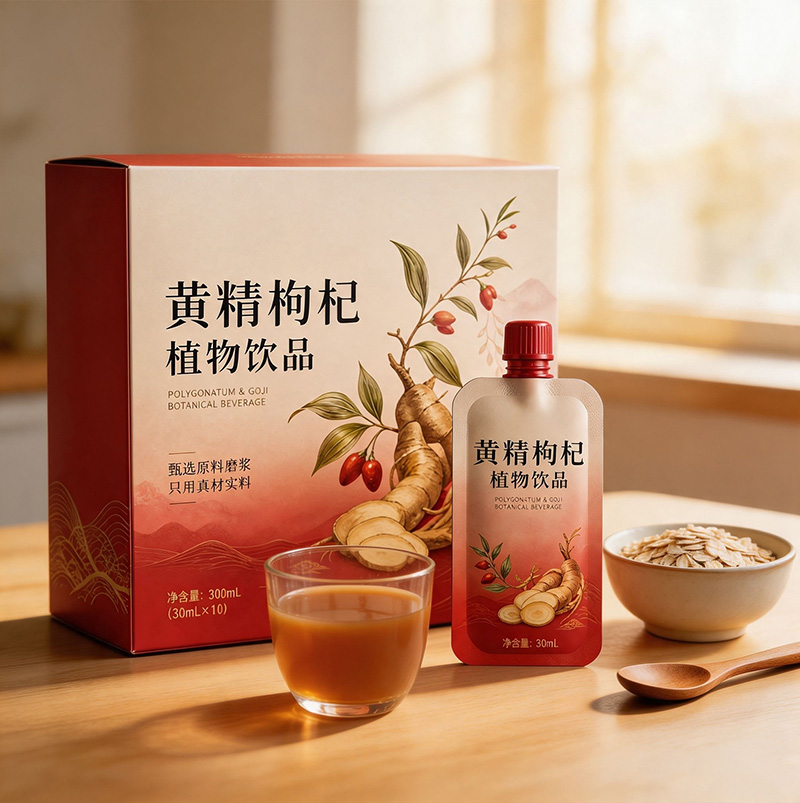
Puree inclusion is the first number to settle and it sets positioning, mouthfeel and cost simultaneously. High inclusion, above roughly 50%, gives body and a clear story, while raising raw material cost, colour instability and sedimentation risk. Low inclusion, 10-20%, keeps cost and stability comfortable but leaves the product dependent on sweeteners, flavour and thickeners for body, and it easily ends up coloured rather than substantive. A practical approach works backwards from the target retail price: establish the affordable material cost ceiling, then push puree inclusion as high as that ceiling allows. Note also that purees of the same name vary widely in soluble solids, acidity, colour and microbial load, so formulations should be built on measured values rather than specification-sheet figures.
2. Sugar-acid balance shapes the flavour profile
The profile is set by the ratio rather than by absolute sweetness. Sugar contributes roundness and body; acid contributes freshness and keeps sweetness from cloying. Most fruit and vegetable drinks sit acceptably between 8 and 12°Brix at pH 3.3-4.2, with the position inside that window set by the raw material: naturally high-acid fruits such as hawthorn or lemon need more sugar to balance, while astringent botanicals and tea-based materials sometimes need more acid to mask the astringency. Acidulant choice matters too - citric gives a sharp, bright note, malic a softer and longer one, and a blend usually reads more natural than either alone. Sweetness also affects thermal processing and osmotic pressure, so any change must be checked against the sterilisation parameters.
3. Stabiliser systems against separation and sediment
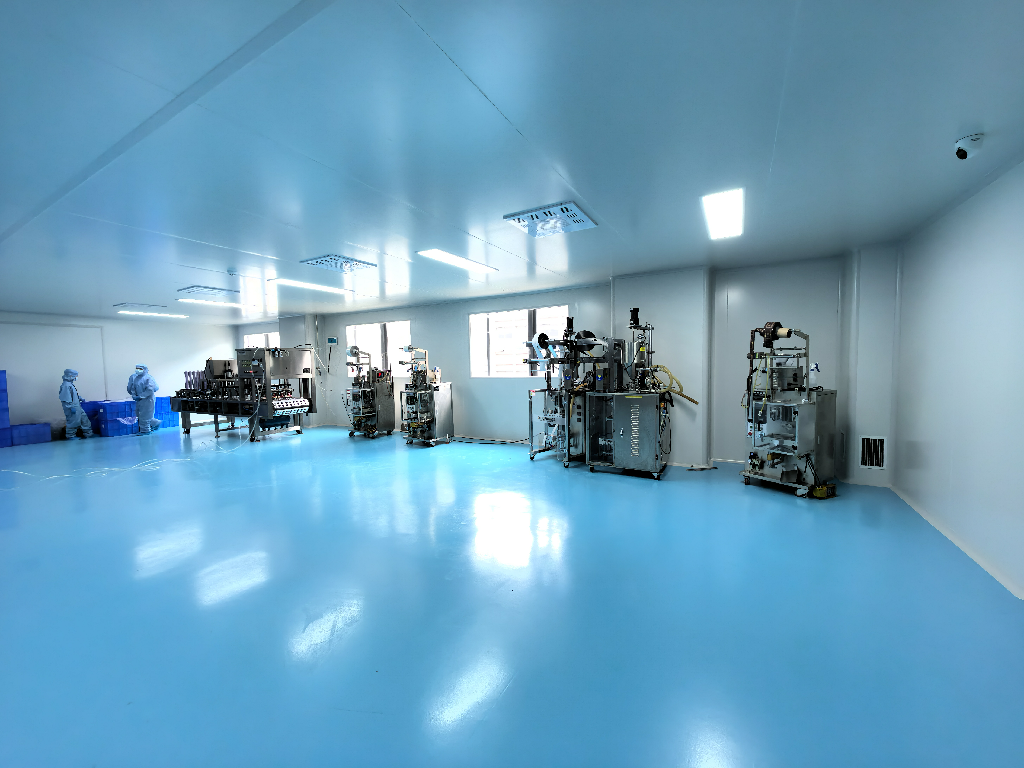
Instability shows up in two ways: separation, where oil or pulp rises, and sediment, where pulp particles and insolubles settle. Pulp settling is addressed by raising viscosity to slow sedimentation, using pectin, carboxymethyl cellulose, xanthan or gellan, chosen against system pH and calcium content - pectin gels well in low-pH, high-sugar systems, while xanthan tolerates salt and acid and suspends strongly, though too much gives a slimy mouthfeel. Oil rise needs an emulsifier system instead: mono- and diglycerides, sucrose esters or modified lecithin, combined with homogenisation to reduce droplet size. Homogenisation pressures typically run 20-40 MPa; below that the droplets stay coarse and the product still separates on standing.
4. Protecting colour and flavour
Colour degradation follows two paths: enzymatic browning driven by polyphenol oxidase, common with apple, pear and some roots, and non-enzymatic Maillard browning, which accelerates with heat and storage time. Enzymatic browning is controlled by blanching to inactivate the enzyme and by antioxidants such as sodium erythorbate or ascorbic acid; non-enzymatic browning is managed through lower storage temperature, controlled reducing-sugar levels and shorter exposure to high heat. On flavour, plant materials readily develop a cooked note after severe heat treatment, countered by high-temperature short-time processing - seconds at around 135°C - instead of long pasteurisation, plus a post-process top-note addition where the flavour system allows it.
5. Designing pH and sterilisation together
pH is the central variable in safety design. Below pH 4.6 the product is acidic, pathogens such as Clostridium botulinum cannot grow, and pasteurisation - for example 85-95°C for a defined hold - is sufficient for ambient distribution. Above 4.6, as with many plant protein or cereal drinks, a much more severe process is required, typically above 121°C for a defined hold, with correspondingly greater damage to colour and flavour. The decision therefore has to be made at formulation stage: will the product be acidified below 4.6. If so, citric or malic acid must be dosed precisely and the knock-on effects on taste and stability assessed. Get this wrong and every downstream process has to be rebuilt.
6. Scale-up from bench to pilot
Bench success does not mean the product can be made. Three stages cause most of the trouble: dissolution and dispersion, since a laboratory can stir for as long as it likes while production is limited by tank shear and cycle time; homogenisation, where pilot and production homogeniser heads produce different droplet distributions; and thermal history, where heating and cooling rates differ enough that cumulative heat load changes noticeably. Pilot runs must therefore be done on the actual production line at production parameters, and pilot samples must enter the stability programme. Skipping pilot and going straight to commercial batches is the commonest reason plant beverage projects fail.
Related Products
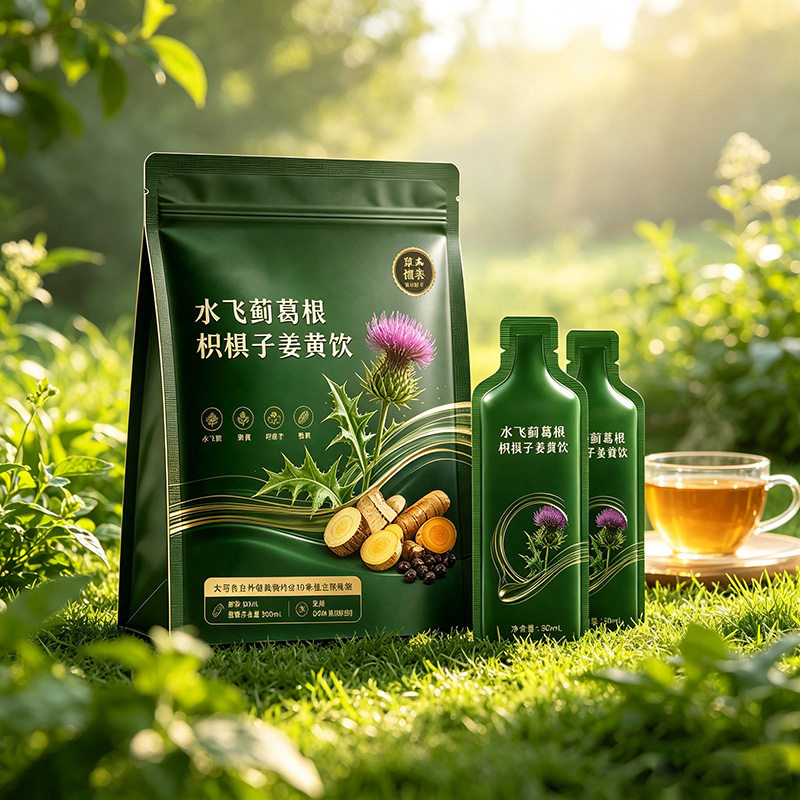
Milk Thistle, Kudzu & Turmeric Beverage with Sea Buckthorn Puree & Honey | Herbal Oral Liquid OEM | Liquid Fruit & Vegetable Salad Fiber Drink | Dietary Fiber Meal Replacement Vegetable Juice Beverage OEM
About Guangzhou Mesen Health Biotechnology Co., Ltd
Guangzhou Mesen Health Biotechnology Co., Ltd is located in the Huashan Science and Technology Park, Huadu District, Guangzhou. The company has focused on OEM and ODM services for the big health industry for nearly 20 years, operating dedicated research, production, sales and management centres, and maintaining long-term strategic partnerships with well-known Chinese medicine colleges and research institutions. Capabilities span pressed candy, gummies, capsules, solid beverages, herbal teas, plant beverages, protein powders, dietary supplements and enzyme jelly - from formulation development through contract manufacturing. For details on minimum order quantities, sampling lead times and quotations, see our manufacturing advantages and product range, or contact us for a tailored proposal.
Further Reading




