
Gummy OEM Cost Breakdown: Gelling System, Depositing Yield and Packaging Minimums
Two plants quoting the same three-gram gummy can differ by a factor of two. The brand's first instinct is that someone is padding the price, but gummy costs are spread more widely than in most dosage forms. Raw materials are only part of it; what really separates quotes is the gelling system, first-pass yield at depositing, and the packaging minimum. Understanding those layers is what makes a price conversation in gummy OEM productive.
1. Material layer: the gelling system sets the floor
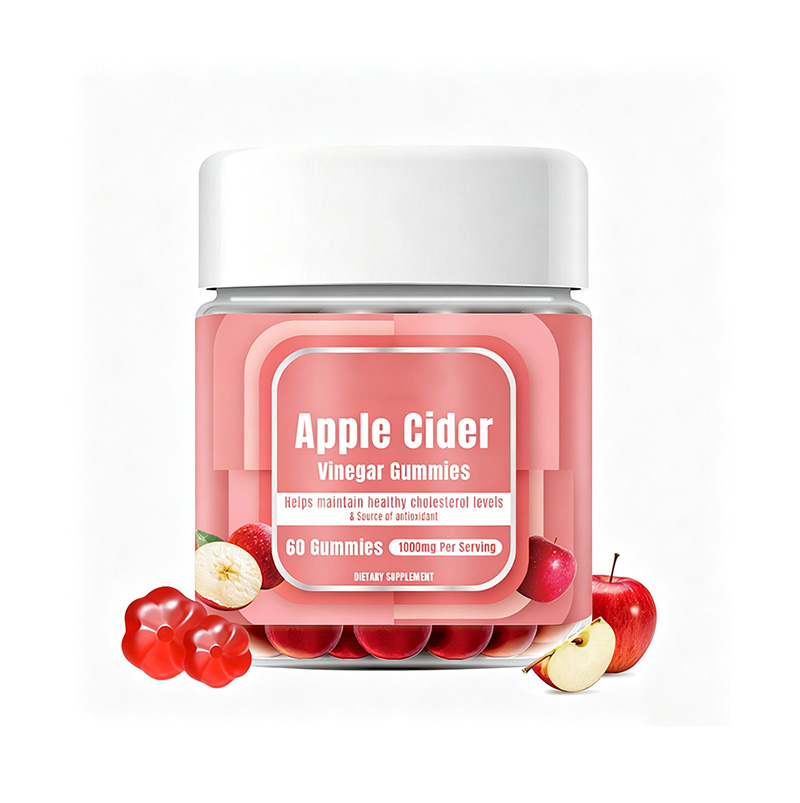
Gelatin is the most common base and the most economical, giving the familiar elastic chew, but it needs long drying and curing time, which ties up floor space and working capital. Pectin delivers superior clarity and flavour release and suits vegetarian positioning, though the raw material costs noticeably more and the window for pH and soluble solids is narrower, leaving less process tolerance. Carrageenan and blended systems sit between the two on price but give a firmer texture that usually needs blending with other hydrocolloids. Active load then moves cost in a straight line: a gummy carrying 500 mg of collagen peptide costs materially more than one built on fruit juice concentrate, and raising juice content from 5% to 20% multiplies that component. Deciding early which claims are non-negotiable leaves flexibility everywhere else.
2. Conversion layer: first-pass yield is the real variable
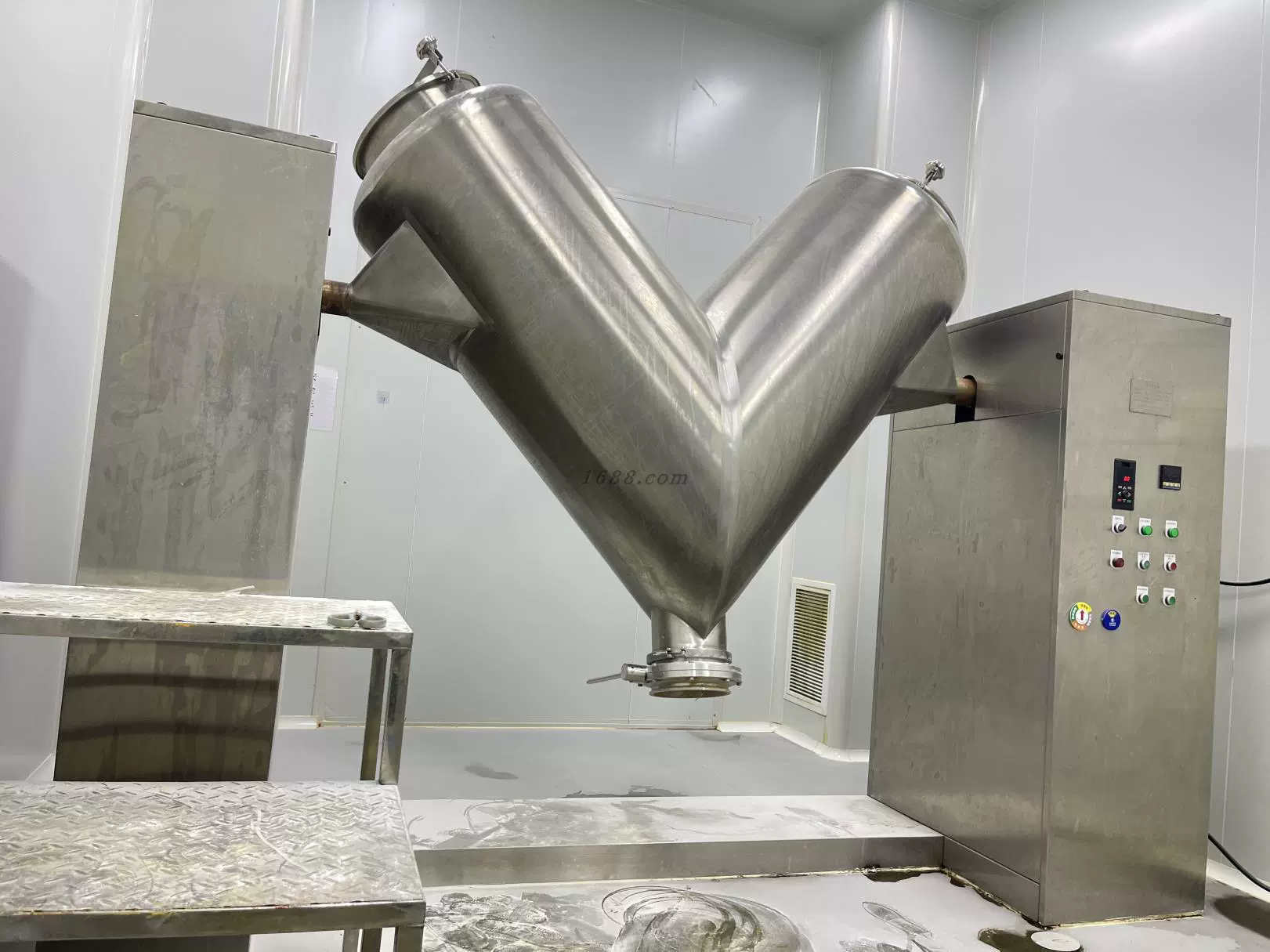
Conversion is usually quoted per kilogram or per ten thousand pieces, but internally a plant calculates on first-pass yield. Poor temperature control during cooking caramelises the mass and darkens the colour, condemning the whole batch; mismatched depositing temperature and speed produce tails, air bubbles and short shots that have to be picked out by hand. Demoulding matters just as much - worn moulds, uneven release agent or inadequate cooling all cause deformation and breakage. Under good process control, first-pass yield holds above 95%. Difficult formulas - high active load, high juice content, inclusions - can drop it to 85% or below, and that loss has to appear somewhere in the price. Accepting slightly wider specification tolerances, or allowing stock tooling, lifts yield and brings the unit price down with it.
3. Packaging layer: the most rigid constraint
Typical components are bottles, pouches, cartons and labels. A bespoke bottle carries tooling charges and a print minimum that does not move: plate costs run into the thousands, and minimum runs are commonly five to ten thousand pieces. Order three thousand bottles and either the surplus sits in the plant's warehouse or the whole packaging cost lands on that first run, pushing the unit price up sharply. Label minimums are far lower than bottle minimums, which is why a stock bottle with a bespoke label is the most effective way to cut first-order cost. Moisture barrier also deserves attention: gummies may not have especially high water activity, but once they pick up moisture they clump and mould, so barrier performance determines shelf life directly. Swapping an aluminium laminate for a cheap plain pouch saves money up front and costs far more in returns and complaints.
4. Three costs that get overlooked
Tooling: a bespoke shape means a new mould, priced by cavity count and complexity, from a few thousand up to tens of thousands. Where budget is tight, launch on stock tooling - rounds, hearts, bears - and commission a dedicated shape once the market responds. Curing time: gelatin gummies need 24 to 72 hours, occupying trays, drying rooms and floor space, becoming a capacity bottleneck at volume and affecting both lead time and price indirectly. Manual sorting: irregular shapes, inclusions and multi-colour deposits resist full automation and need hand picking and tray loading, so labour carries a real share of total cost, rising with specification complexity.
5. Practical routes to a cheaper first order
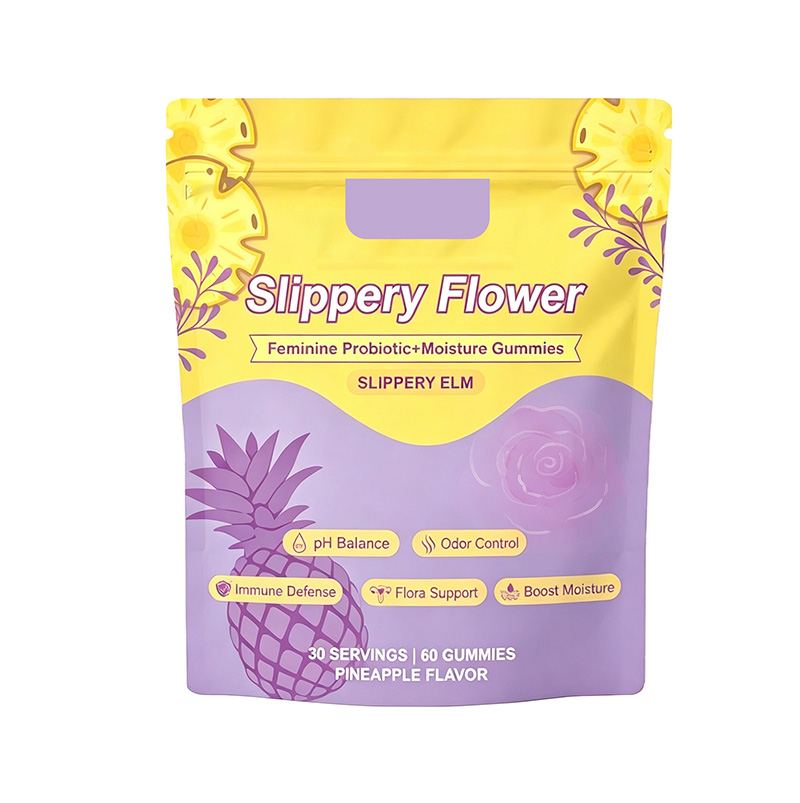
Four routes, roughly in order of effectiveness. Use an existing stock formula under private label, changing only the packaging, since plants set far looser minimums and prices for own-formula work. Choose stock components with a bespoke label, which removes most packaging burden. Relax specification tolerances and cosmetic standards a little in exchange for higher first-pass yield. And consolidate several SKUs into one order so start-up and packaging costs spread across more volume. All four reduce the plant's cost and risk of starting, and when that falls the quotation follows.
6. Four questions to ask about any quotation
Do not compare unit prices alone. Confirm whether the price includes tax and freight; whether packaging is bought by the plant or supplied by the brand, and how surplus and loss are handled; what unit the minimum is expressed in - bottles or pieces - and how over- or under-runs are priced; and how long the quote holds, plus whether it tracks raw material markets, since gelatin and juice concentrates move enough that long-term agreements usually include an adjustment mechanism. With those four answered, quotes from different plants become genuinely comparable.
Related Products
Greens Gummies with Multivitamin, Spirulina & Prebiotic Fiber | GREENS GUMMIES Supplement OEM | Feminine Balance Probiotic Gummies with Cranberry | Feminine Balance Gummies OEM
About Guangzhou Mesen Health Biotechnology Co., Ltd
Guangzhou Mesen Health Biotechnology Co., Ltd is located in the Huashan Science and Technology Park, Huadu District, Guangzhou. The company has focused on OEM and ODM services for the big health industry for nearly 20 years, operating dedicated research, production, sales and management centres, and maintaining long-term strategic partnerships with well-known Chinese medicine colleges and research institutions. Capabilities span pressed candy, gummies, capsules, solid beverages, herbal teas, plant beverages, protein powders, dietary supplements and enzyme jelly - from formulation development through contract manufacturing. For details on minimum order quantities, sampling lead times and quotations, see our manufacturing advantages and product range, or contact us for a tailored proposal.
Further Reading




