
Solid Beverage OEM Compliance: Product Standards, Labelling and Nutrition Claim Limits
Powdered drinks are often a brand's first step into the health category, since the format is familiar and the process barrier is low. They are also among the most frequent sources of labelling trouble. The reason is structural: the target consumer arrives with a specific health expectation, and marketing wants that expectation printed on the pack, so tension is built in. In solid beverage OEM, plant-side compliance review is usually stricter than brands anticipate, not to obstruct but because a misprinted label means scrapping an entire packaging run, or worse, a regulatory penalty that dwarfs the cost of rewriting copy.
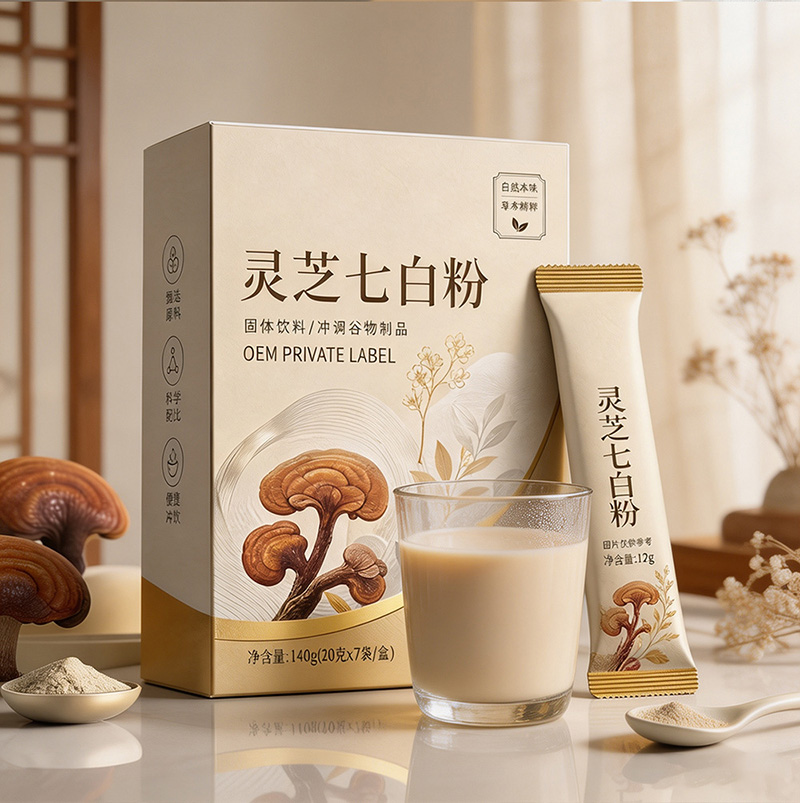
1. Product standard: decide what the product is
Labelling starts with the standard. Solid beverages sit as a sub-category under beverages with a corresponding national standard; where formula and process meet its technical requirements, adopting it directly is normally sufficient. A company standard stricter than the voluntary one is also possible, subject to filing with the regulator before use. The decisive point is that the technical requirements - sensory, physicochemical, microbial limits - must actually match the product. Where a standard sets figures for protein, moisture or solubility, those need to be designed into the formula, not discovered as failures after production. If the formula includes novel food ingredients, medicinal food substances or nutrient fortificants, permitted scope and limits must be verified before the formula is frozen.
2. Ingredient list: order, naming, compound ingredients
The rules here are precise. Descending order: ingredients listed by decreasing quantity, with those at 2% or below exempt from the ordering rule. Naming: the name given in the national standard, or a common or customary name where none exists, but never an invented name likely to mislead. Compound ingredients: where a compound ingredient has its own national standard and is present below 25% of the total, its constituent ingredients need not be broken out - except that any food additive or nutrient fortificant performing a function in the final product must still be declared. The common failure is naming a compound ingredient generically without expanding it, leaving the declaration incomplete.

3. Nutrition panel: where the numbers come from
Nutrient reference values are percentages of a reference intake, declared per 100 g, 100 ml or per serving for energy and the core nutrients - protein, fat, carbohydrate and sodium. Two sources are available: calculation from the formula, or third-party testing. Calculation is fast and cheap but ignores lot variation and processing loss; testing is more reliable at extra cost and time. The pragmatic sequence is to design on calculated values and verify against measured ones before mass production, particularly for energy and sodium, since sodium is routinely underestimated because ingredients already contain it. Where optional components such as fibre or vitamins are declared, actual content must fall within the permitted tolerance of the declared figure.
4. Nutrient claims and function claims: two separate boundaries
This is where most overstepping happens, and the distinction matters. A nutrient claim describes content - high calcium, low fat, source of fibre, sugar free - and each carries a defined content condition: the product must meet the specified level and use the prescribed wording, so sugar free requires carbohydrate below a fixed limit. A function claim describes a health effect, and ordinary foods may not make one; only products holding a health food registration or filing may claim within the approved scope. Brands routinely blur the two, applying phrases such as supports sleep, helps lower blood lipids or boosts immunity - all within the health function domain - to an ordinary powder drink, which is a clear violation.
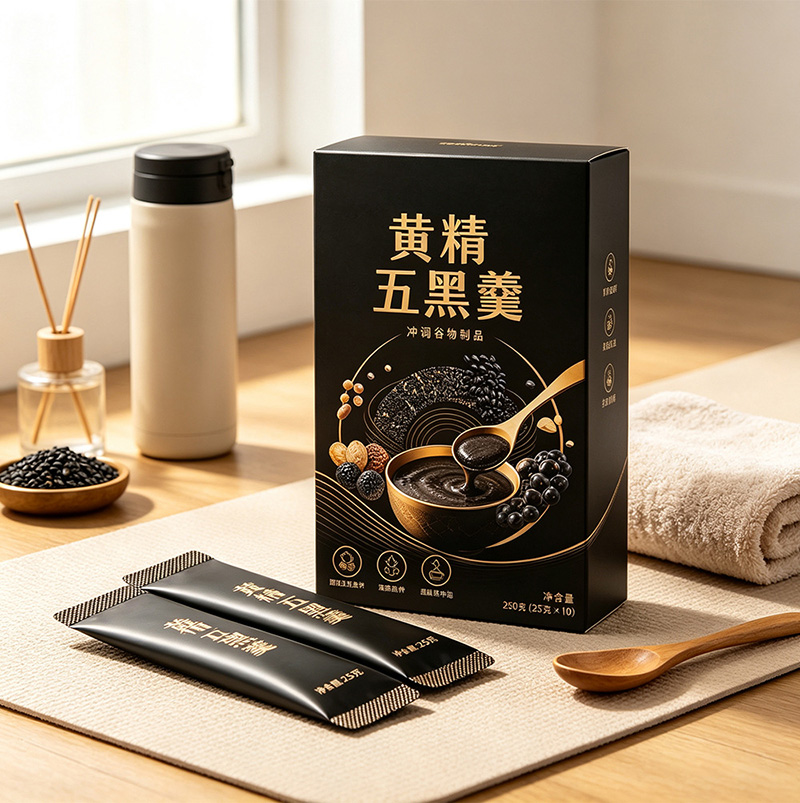
5. Lines that must not be crossed
Several categories of wording are prohibited outright: disease prevention or treatment claims, including lowers blood sugar, reduces blood pressure, anti-cancer, anti-inflammatory, cures insomnia; medical terminology such as prescription, efficacy, curative effect, recovery; specific efficacy claims for sexual function or weight loss without the corresponding approval; endorsement using the name of a consumer, medical institution or expert; and comparisons with medicines or other foods that disparage them. Even with health food approval, claims remain confined to the approved function and cannot be extended. A practical test when reviewing copy: show the sentence alone to someone unfamiliar with the product, and if their reaction is that it sounds like a medicine, rewrite it.
6. Pre-launch compliance checklist
Work through this before bulk production: has the standard been fixed and does its technical requirement match the product; are order, naming and compound ingredient expansion in the ingredient list correct; are nutrition panel values sourced and rounded correctly; does every nutrient claim meet its content condition; does any function claim exceed what an ordinary food may say; do net quantity and serving size match the physical product; are production date, shelf life and storage conditions declared; are principal and contract manufacturer details complete; is the barcode valid. Completing that list brings label risk under reasonable control.
Related Products
White Kidney Bean Black Coffee Latte Powder | Instant Keto Enzyme Coffee Solid Beverage OEM Private Label | Protein Berry Meal Replacement Shake Powder | Satiety Smoothie Solid Beverage Custom OEM
About Guangzhou Mesen Health Biotechnology Co., Ltd
Guangzhou Mesen Health Biotechnology Co., Ltd is located in the Huashan Science and Technology Park, Huadu District, Guangzhou. The company has focused on OEM and ODM services for the big health industry for nearly 20 years, operating dedicated research, production, sales and management centres, and maintaining long-term strategic partnerships with well-known Chinese medicine colleges and research institutions. Capabilities span pressed candy, gummies, capsules, solid beverages, herbal teas, plant beverages, protein powders, dietary supplements and enzyme jelly - from formulation development through contract manufacturing. For details on minimum order quantities, sampling lead times and quotations, see our manufacturing advantages and product range, or contact us for a tailored proposal.
Further Reading




