Enzyme Jelly OEM Quality Control: Gel Strength, pH and Microbial Release Criteria
Enzyme jelly is awkward to control because it has two identities. It is a gelled confection, so gel strength, elasticity and syneresis all need managing; and it contains fermented liquid, which brings viable organisms, enzymes and organic acids into the system, so microbial and acidity control follows the logic of a fermented food. Applying only confectionery standards misses the fermentation variables; applying only fermented-product standards misses the physical stability of the gel. In enzyme jelly OEM programmes the control plan has to cover both lines at once.
1. Raw materials and ferment acceptance
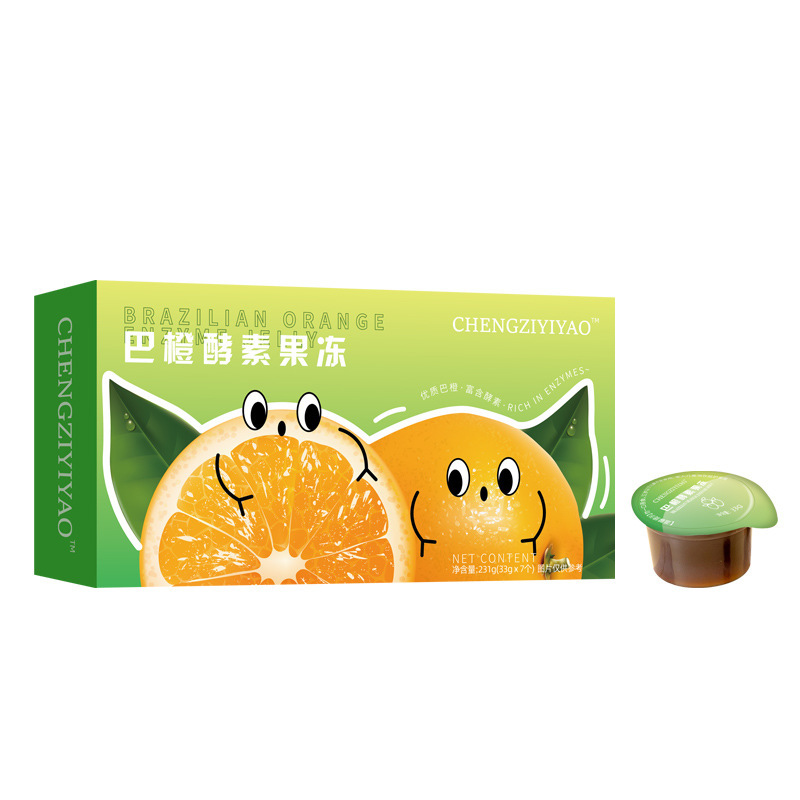
The first gate is incoming material. Fruit and vegetable inputs need pesticide and heavy metal documentation plus checks on appearance, decay and off-odours. Fermented liquid or enzyme concentrate is assessed on four points: pH, titratable acidity, soluble solids, and the microbial profile with viable count. Batch-to-batch variation in the ferment is the single largest source of drift in this category: acidity can differ by 0.3 pH units between fermentation lots, which shifts both gel strength and flavour. A practical control is to require a certificate of analysis per lot and run a bench gel test on receipt - make a small cup from the current lot using the standard formula and measure gel strength before releasing it to production. The time cost is small compared with scrapping a batch.
2. Gel strength and texture: turning mouthfeel into numbers
Gel strength is frequently left to subjective judgement when it is entirely measurable. A texture analyser in TPA mode gives hardness, springiness, chewiness and resilience, or a gelometer gives rupture strength. Internal specifications normally set a hardness band, for example 200 to 500 gram-force depending on positioning, and anything outside is rejected. Four factors drive the result: total gum dosage, soluble solids, pH, and cooking temperature and time. pH is the one most often overlooked, and pectin systems are highly sensitive to it - too low gives a brittle gel with syneresis, too high gives a weak set that will not form properly. Adjust pH before the gum is added and re-check after cooling.

3. pH, titratable acidity and preservation
Enzyme jelly usually sits between pH 3.0 and 4.0, a range that serves both flavour balance and preservation, since most spoilage organisms are inhibited below pH 4.5. Titratable acidity, calculated as citric acid, is typically held between 0.3 and 0.8 per cent: below that the flavour is flat and the preservative effect weak; above it the acidity becomes harsh and masks the ferment character. pH alone is not sufficient, however, because yeasts and moulds still grow in acidic conditions, so heat treatment, pasteurisation or high-temperature short-time processing is normally combined with preservatives such as potassium sorbate or natamycin within regulatory limits. Products claiming no added preservatives must rely on pH, water activity and package integrity together, which raises the bar on process control considerably.
4. Water activity and microbiology
Water activity is the core shelf-life safety parameter, generally held below 0.85, which combined with acidity suppresses most pathogens. Microbiological testing follows the applicable standard, covering total viable count, coliforms, moulds, yeasts and pathogens. There is one risk specific to this category: spore-formers. The product is heat-treated, so vegetative cells are destroyed, but heat-resistant spores introduced with fruit powders or botanical extracts can germinate and grow once the product cools into a favourable range. Upstream microbial load therefore matters more than finished product testing. Note also that products sold with live cultures follow an entirely different control logic from commercially sterile ones - the first needs cold chain and viability studies, the second targets commercial sterility, and the two must not be confused.
5. Sealing and integrity
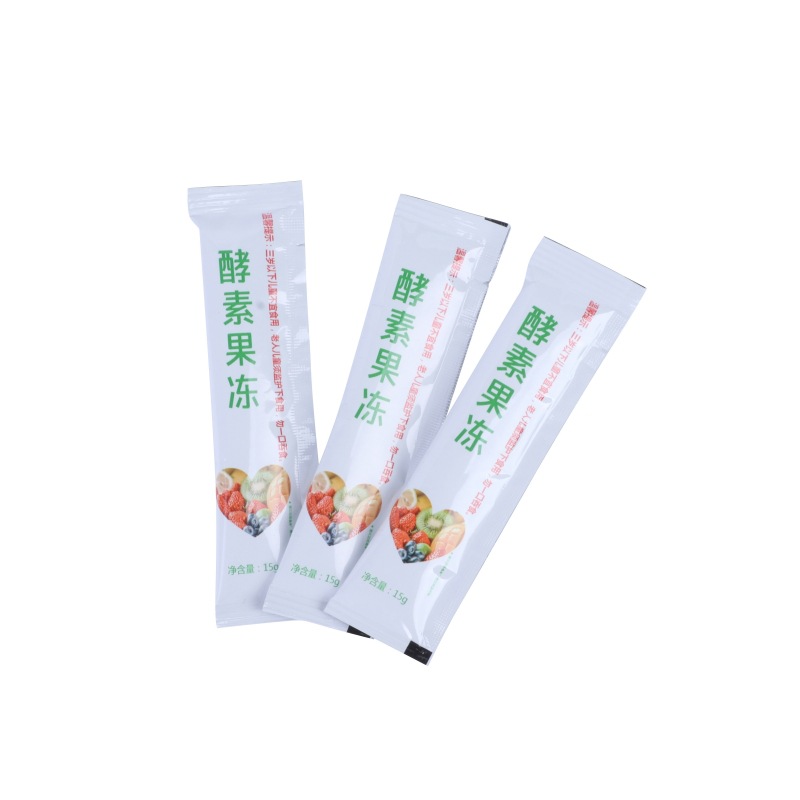
Seal quality on cups, stick packs and pouches determines shelf life directly. Three methods are in common use: vacuum decay, which is non-destructive and suitable for on-line sampling; dye penetration, which is destructive and used for validation; and manual squeeze inspection. Peel strength testing on film samples per batch confirms heat seal strength is inside the set band - too little heat gives a weak seal, too much makes the seal area brittle and prone to cracking. A frequent defect is product in the seal: liquid splashed into the sealing area during filling creates a micro-channel that does not leak immediately but produces swollen or seeping packs after storage. Anti-drip nozzle design, adequate headspace and pre-seal visual inspection address it.
6. Release decisions and retain samples
Split release criteria into reject and deviation categories. Reject items - pathogens absent, pH, seal integrity, foreign matter - reject the whole lot on any failure. Deviation items - gel strength, colour, flavour, fill variation - may move within a defined band but must be recorded and trended, with three consecutive batches drifting in the same direction triggering a process review. Retain at least shelf life plus three months per batch, split into two storage sets, one ambient and one under accelerated conditions such as 37 degrees Celsius, the latter used to predict shelf-life behaviour before launch. Every retain must be traceable to the production lot, the ferment lot and the packaging lot.
Related Products
Extra Strength Orange Enzyme Jelly with Prebiotics | Fruit-Flavored Cup Jelly Private Label OEM Manufacturer | Collagen Fruit & Vegetable Enzyme Jelly with Prebiotics | Custom Extra Strength Jelly OEM Factory
About Guangzhou Mesen Health Biotechnology Co., Ltd
Guangzhou Mesen Health Biotechnology Co., Ltd is located in the Huashan Science and Technology Park, Huadu District, Guangzhou. The company has focused on OEM and ODM services for the big health industry for nearly 20 years, operating dedicated research, production, sales and management centres, and maintaining long-term strategic partnerships with well-known Chinese medicine colleges and research institutions. Capabilities span pressed candy, gummies, capsules, solid beverages, herbal teas, plant beverages, protein powders, dietary supplements and enzyme jelly - from formulation development through contract manufacturing. For details on minimum order quantities, sampling lead times and quotations, see our manufacturing advantages and product range, or contact us for a tailored proposal.
Further Reading