
Solid Beverage OEM Clean Label: Simplifying Ingredients Without Losing Stability
Clean label has become close to a default requirement in solid beverage briefs, but people mean very different things by it: fewer ingredients, no flavours or colours, or all-natural inputs. None of those readings is wrong, but unless the brief is translated into executable formulation boundaries at the start, sampling turns into endless rework. In solid beverage projects we usually open with one question: can every line on this ingredient list be explained to a consumer, in terms of what it does and where it comes from. If yes, it is clean label. If not, a shorter list will not save it.
1. Define the boundary first
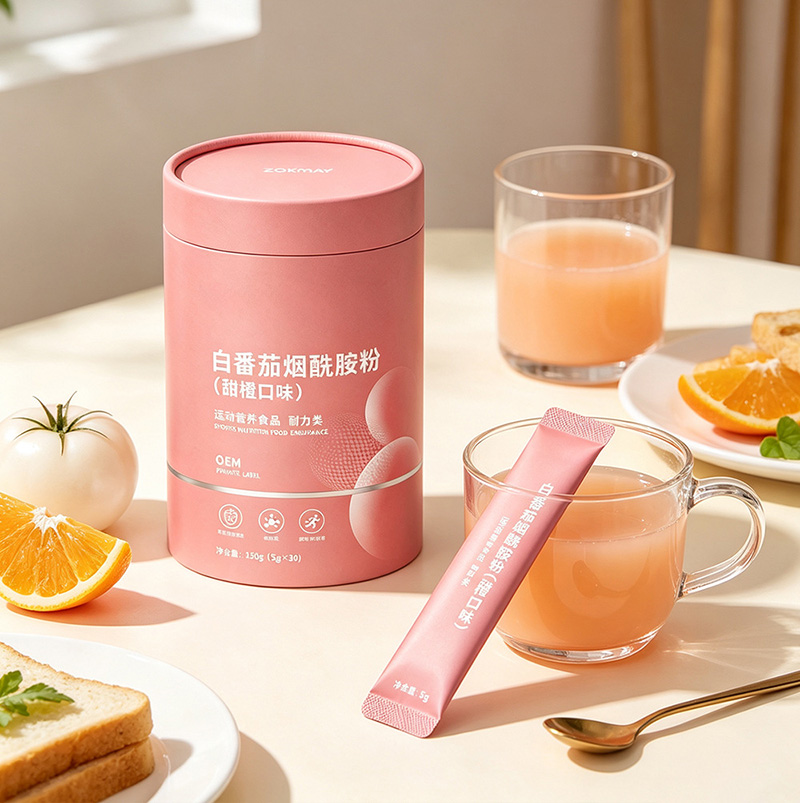
Clean label has no legal definition, so brand and manufacturer have to agree the boundary jointly. It helps to split the requirement into four selectable dimensions. A prohibited list - synthetic colours, synthetic flavours, certain preservatives, specified sweeteners. A restricted list - natural-origin flavours permitted but with the source declared. Claim targets such as no added sucrose, no preservatives, no artificial colours, bearing in mind that most markets attach strict conditions of use to these claims and their absence from the formula does not automatically entitle you to use them. And channel-specific requirements, since e-commerce platforms, cross-border marketplaces and brick-and-mortar retailers apply different scrutiny to additive declarations. With those four settled, formulation has a defined search space instead of being overturned by vague feedback to make it cleaner.
2. The order in which to simplify
Ingredient count is constrained by function and cannot be compressed indefinitely. Three tiers work in practice. First, remove excipients that exist purely for appearance or processing convenience - whitening agents, colours used to mask the natural shade of the base. This tier usually costs the least. Second, merge overlapping functions: two thickeners or two anti-caking agents can typically become one. Third, replace functional excipients, for instance natural-source vitamin E for a synthetic antioxidant, which is where cost and stability questions arise and validation becomes necessary. Working through the tiers in this order typically removes two to four lines from the declaration without a visible cost increase.
3. Natural routes for sweetness and colour
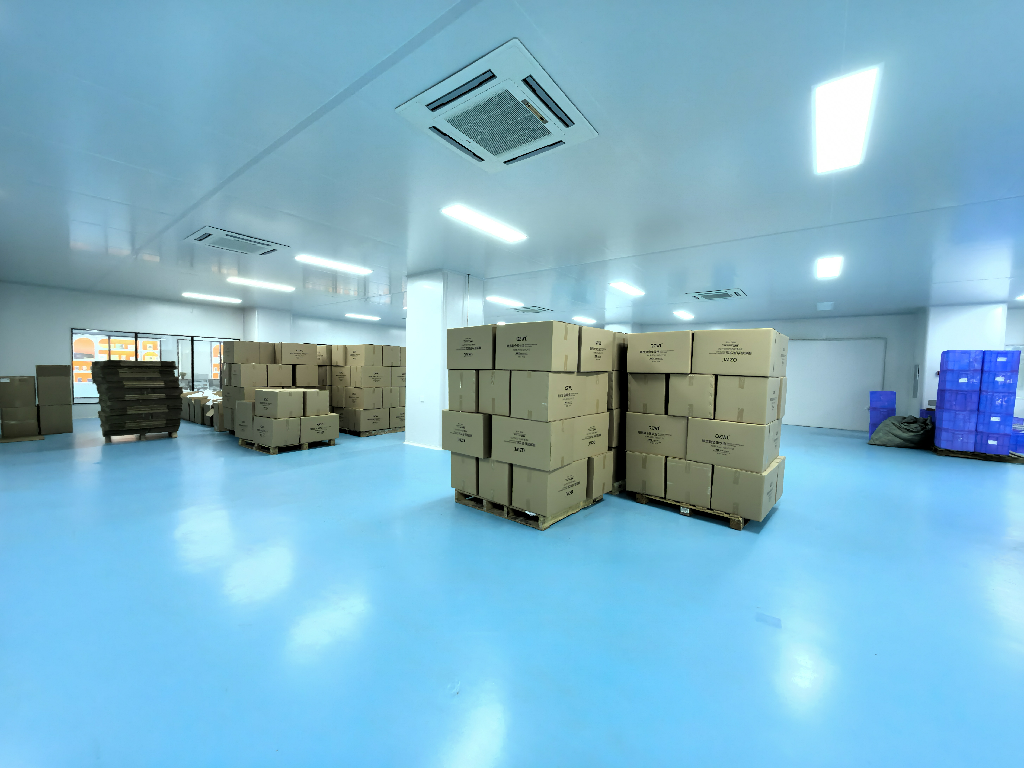
Sweetness and colour are the two hardest areas. On sweetness, ruling out high-intensity sweeteners leaves polyols and sugars, which means lower sweetness density and higher bulk - a direct challenge to sachet and stick formats - plus a re-assessment of calorie and sugar-control claims. A workable compromise is allowing natural-origin high-intensity sweeteners such as steviol glycosides or monk fruit extract, which most markets accept as natural in origin. On colour, synthetic options are replaced by fruit and vegetable powders, concentrated juices or natural colours including gardenia yellow, curcumin, red yeast and anthocyanins. The catch is that natural colours are generally heat-labile, pH-sensitive and prone to fading or browning, which in a dry mix shows up as a duller drink or a colour shift after standing. Mitigations include adjusting system pH, adding natural antioxidants, or simply positioning the product as naturally coloured and accepting the variation.
4. Replacing preservation and antioxidant systems
Solid beverages have low water activity, so microbial risk is inherently lower than in liquids; the pressure is far less than in a ready-to-drink product. Still, formulations rich in juice powder, peptides or botanical extracts can mould and cake. Where preservatives are off the table, three tools remain. Control incoming moisture and production humidity to push water activity below the range where microbes grow - the most effective and most fundamental measure. Improve barrier properties through foil laminate with desiccant or nitrogen flushing. And use natural antioxidants such as tocopherols or rosemary extract to suppress oxidative rancidity in fat-containing systems. One warning: removing preservatives raises the bar on raw material microbial load, environmental cleanliness and seal integrity simultaneously, and that cost is routinely underestimated.
5. What clean label really does to stability
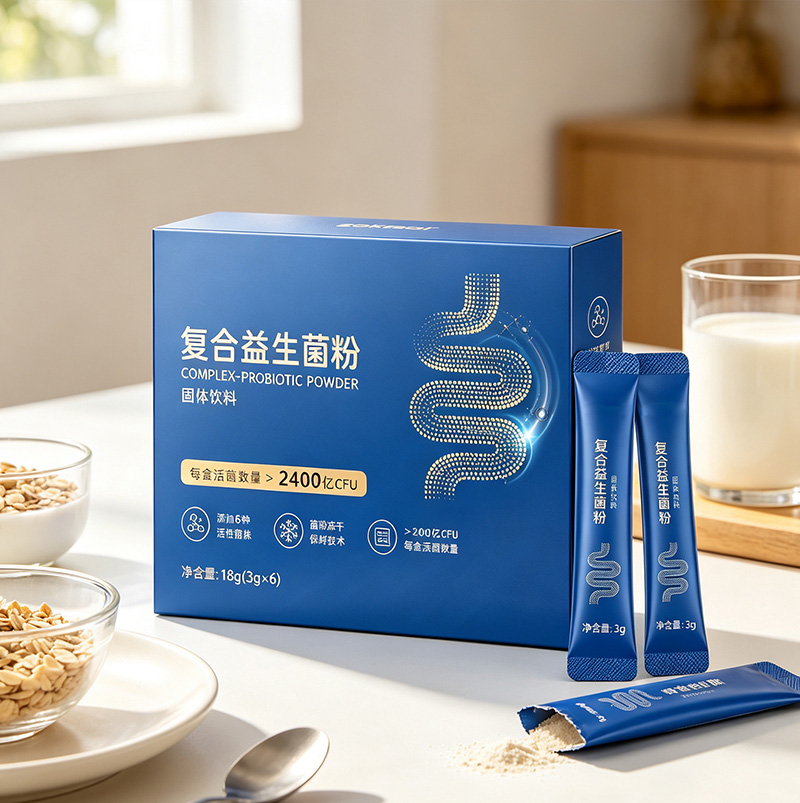
The biggest consequence of clean label is stability risk, because it removes the most effective safety nets in the formula. Without anti-caking agents, powders cake, particularly after a southern humid season or a high-temperature sea freight leg. Without antioxidants, a fat-containing system can drop from twenty-four months to twelve or less. Without synthetic flavour, intensity falls and fades faster, often noticeably by month three. With natural colours, batch-to-batch shade variation grows to the point where consumers read it as inconsistent quality. The response is to add sampling points to the stability protocol, include sensory and colour as pass criteria, and revisit the packaging specification. Where shelf life genuinely shortens, adjust the declared date honestly rather than stretching accelerated conditions to reach a target number.
6. Cost and the communication reality
Clean label almost always costs more, and how much depends on how deep the substitution goes. Dropping colours alone may add a few per cent; replacing the full sweetness, flavour and antioxidant system can exceed thirty per cent. That delta needs to be aligned before quotation rather than discovered when the budget does not stretch. There is also the compliance side of claims: a clean ingredient list does not license free-wheeling claims. "No added" statements carry specific conditions of use in most markets and must not imply that comparable products are unsafe. The safe rule is to let each claim map to a demonstrable fact about the formula. Clean label pays back through repeat purchase and trust, which only happens if it is treated as a long-term product strategy rather than a marketing phrase.
Related Products
White Kidney Bean Black Coffee Latte Powder | Instant Keto Enzyme Coffee Solid Beverage OEM Private Label | Protein Berry Meal Replacement Shake Powder | Satiety Smoothie Solid Beverage Custom OEM
About Guangzhou Mesen Health Biotechnology Co., Ltd
Guangzhou Mesen Health Biotechnology Co., Ltd is located in the Huashan Science and Technology Park, Huadu District, Guangzhou. The company has focused on OEM and ODM services for the big health industry for nearly 20 years, operating dedicated research, production, sales and management centres, and maintaining long-term strategic partnerships with well-known Chinese medicine colleges and research institutions. Capabilities span pressed candy, gummies, capsules, solid beverages, herbal teas, plant beverages, protein powders, dietary supplements and enzyme jelly - from formulation development through contract manufacturing. For details on minimum order quantities, sampling lead times and quotations, see our manufacturing advantages and product range, or contact us for a tailored proposal.
Further Reading




