
Protein Testing in Protein Powder OEM: Kjeldahl, Amino Acid Scoring and Adulteration Checks
Protein content is the headline claim on a protein powder, and it is also the number most easily misread and most easily manipulated. Buyers tend to make two mistakes: assuming the figure on the certificate of analysis represents real nutritional quality, and watching content while ignoring amino acid composition. The first allows material spiked with non-protein nitrogen to pass; the second produces products that meet specification while delivering a poor essential amino acid balance and far less nutritional value than the label implies. Both are live risks in contract manufacturing because raw material prices move and the incentive to cut corners never disappears. On protein powder programmes we split control into three layers: content measurement, quality assessment and adulteration screening, each doing a job the others cannot.
1. Why content carries so much weight
Protein content matters on three fronts. Compliance: the declared value must match what is measured, and it is a standard target in market surveillance, so a mismatch invites penalty and recall. Cost: protein ingredients dominate the formulation cost, and a few percentage points of difference change unit economics materially, which is exactly why a supplier may be tempted to under-dose and why the buyer needs testing to hold the line. Marketing: content is the one number consumers can compare directly, and it anchors competitor comparisons. What it is not is a measure of quality: the standard methods report crude protein as nitrogen multiplied by a factor, not the sum of amino acids, and they say nothing about digestibility.
2. Kjeldahl: how it works and where it misleads
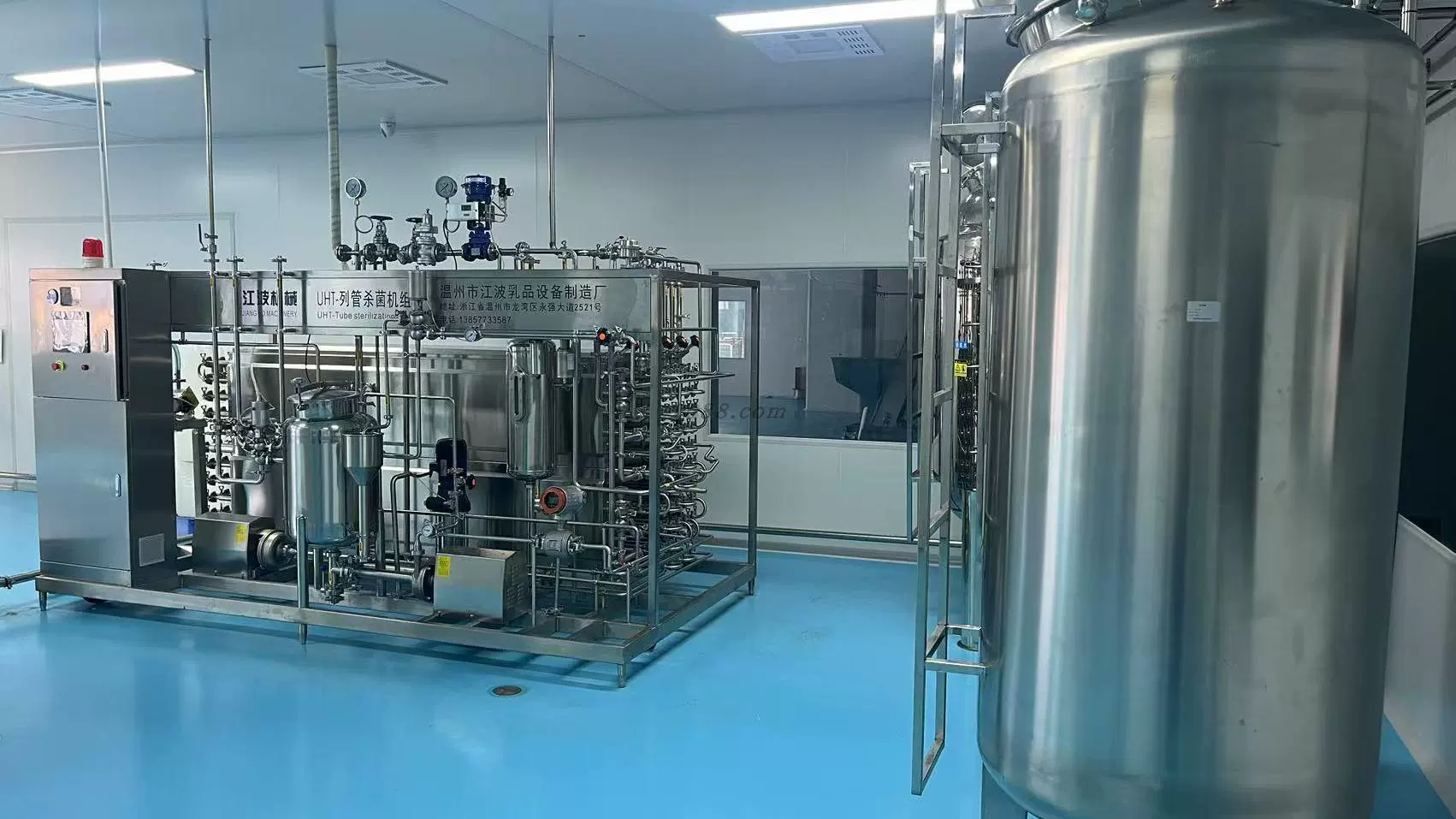
Kjeldahl is the classical method in three stages: digestion in concentrated sulfuric acid with a catalyst converts organic nitrogen to ammonium sulfate; alkali is added and the ammonia distilled into boric acid; the trapped ammonia is titrated with standard acid to give nitrogen, which is then multiplied by a conversion factor. It is mature and repeatable, and it has three clear weaknesses. It measures total nitrogen and cannot distinguish protein nitrogen from non-protein nitrogen, so any nitrogen-containing compound is counted. It uses strong acid and catalyst, with safety and waste handling implications. And it is slow, typically several hours per batch. Routine operational pitfalls include incomplete digestion giving low results, leaks in the distillation assembly losing ammonia, and inconsistent endpoint judgement, so every run should carry blanks and control samples.
3. Choosing the conversion factor
The factor converts nitrogen to protein on the basis that different proteins contain different proportions of nitrogen. The generic factor is 6.25, derived from an assumed 16 per cent nitrogen. Dairy typically uses 6.38, wheat around 5.7 to 5.83, soy and soy products 5.71, and gelatine differs again. Using the wrong factor introduces systematic bias: applying 6.25 to a plant protein blend can inflate the result by several percentage points. Composite formulations are harder, since each source has its own factor, and the rigorous approach is either a weighted composite factor based on the formulation ratio or direct summation of amino acids. Whichever route is used, the factor must be stated on the label calculation and recorded in the test record to avoid disputes later.
4. Amino acid scoring: the quality dimension
Meeting a content specification is not the same as delivering nutrition; what matters is the essential amino acid profile. The basic tool is the amino acid score: each essential amino acid is compared against a reference pattern, the lowest ratio identifies the limiting amino acid and that ratio is the score. PDCAAS extends this by multiplying by true faecal digestibility and has been the standard metric for years; DIAAS uses ileal digestibility, is more accurate and is increasingly used. These numbers guide formulation directly. Plant proteins have well-known limitations, cereal proteins being short in lysine and legume proteins in sulfur amino acids, and blending complementary sources lifts the score. For sports or healthy-ageing positioning, leucine content and digestibility deserve particular attention because of their direct relationship with muscle protein synthesis.
5. Screening for adulteration at goods-in
The most notorious adulteration case, melamine added to inflate apparent nitrogen, is still the reason these controls exist. A three-layer screening approach works. First, non-protein nitrogen: precipitate true protein with trichloroacetic acid and measure nitrogen in the supernatant; an unusual rise points to urea, ammonium salts or other nitrogenous additives, followed by targeted tests for urea and melamine. Second, amino acid profile comparison: each protein source has a reasonably stable fingerprint, so a profile that deviates sharply from the typical range for that material, or an unusual spike in a cheap amino acid, warrants investigation. Third, identity testing: electrophoretic methods distinguish whey from plant proteins, and nucleic-acid-based species identification is used in some programmes. Risk grading determines which layers run on every lot and which are periodic, rather than running the full panel each time.
6. Labelling and release in practice
Six decisions make this workable. Test frequency: protein content on every raw material lot, finished product per batch or per sampling plan, with non-protein nitrogen screening added for higher-risk materials. External verification: periodic submission to an accredited third-party laboratory so internal data is not left uncalibrated for years. Target setting: results should sit above the declared value without excessive overage, so the target is set from the observed process variation to place the distribution safely above the claim without wasting cost. Tolerances: the analytical uncertainty of the method is stated in advance, so small differences are not argued over. Traceability: every finished batch traces to its raw material lots and test reports, so any dispute can be reconstructed. And documentation: the factor, method and results recorded together. With those in place, the risk around the protein claim is manageable.
Related Products
Whey Protein Isolate with Vitamin B6 & B12 and Yeast Protein | Fitness Supplement OEM/ODM Source Manufacturer | Whey Protein Powder | Sports Nutrition Dietary Supplement Custom OEM
About Guangzhou Mesen Health Biotechnology Co., Ltd
Guangzhou Mesen Health Biotechnology Co., Ltd is located in the Huashan Science and Technology Park, Huadu District, Guangzhou. The company has focused on OEM and ODM services for the big health industry for nearly 20 years, operating dedicated research, production, sales and management centres, and maintaining long-term strategic partnerships with well-known Chinese medicine colleges and research institutions. Capabilities span pressed candy, gummies, capsules, solid beverages, herbal teas, plant beverages, protein powders, dietary supplements and enzyme jelly - from formulation development through contract manufacturing. For details on minimum order quantities, sampling lead times and quotations, see our manufacturing advantages and product range, or contact us for a tailored proposal.
Further Reading




