
Flavour Deterioration in Protein Powder OEM: Lipid Oxidation and Oxygen Barrier Packaging
The complaint that reaches a brand most often about protein powder is rarely efficacy but flavour: rancid or cardboard notes months after opening, bitterness that grows over time, worse foaming and clumping when mixed. These changes accumulate quietly through shelf life, undetectable at release and only reported once the batch has already shipped. This article sets out, from a manufacturing view, the three taint pathways, the control points in raw material intake and processing, workable antioxidant strategies, and the practicalities of oxygen barrier packaging and shelf-life validation. In our protein powder OEM programmes, flavour stability sits alongside assay and microbiology as one of three release criteria.
1. The three routes to off-flavour
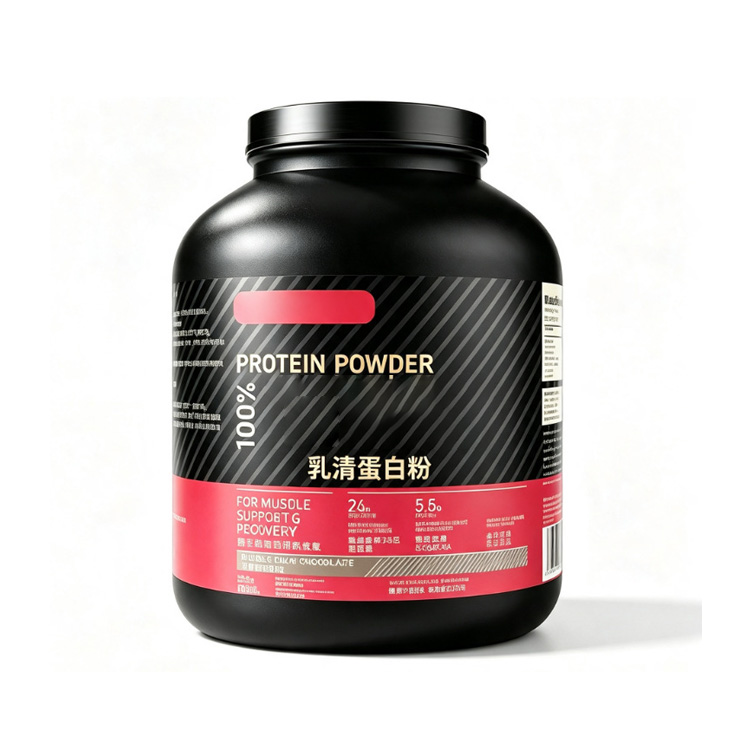
Flavour deterioration follows three paths. The first is lipid oxidation: residual fat in the material reacts with oxygen under light and metal catalysis to form aldehydes, ketones and short-chain fatty acids, perceived as rancid and cardboard notes, and this is by far the most common. The second is protein degradation and Maillard chemistry: hydrolysis releases bitter peptides that intensify perceived bitterness, while Maillard browning deepens colour and adds burnt notes. The third is external adsorption, since powder has a large surface area and picks up odours from storage and transport, particularly when held near flavourings or cleaning agents. Identifying which route applies matters, because the controls differ entirely and simply adding more flavour to mask it lets the problem grow.
2. Controls at raw material intake
Flavour is often decided before production begins. Residual fat in whey, beany precursors in soy and grassy notes in pea all carry into the finished powder. Alongside routine specifications, peroxide value and a sensory check belong in intake testing, especially for higher-fat materials. Storage conditions matter equally, since heat and humidity accelerate oxidation, so stock rotation should be strict, warehouse temperature controlled, and opened material used quickly or resealed under cool conditions. Lot-to-lot flavour variation is natural, and left unmanaged it produces inconsistent finished product between batches, which is why a reference standard for raw material flavour is worth keeping and checking deliveries against.
3. Where processing accelerates oxidation
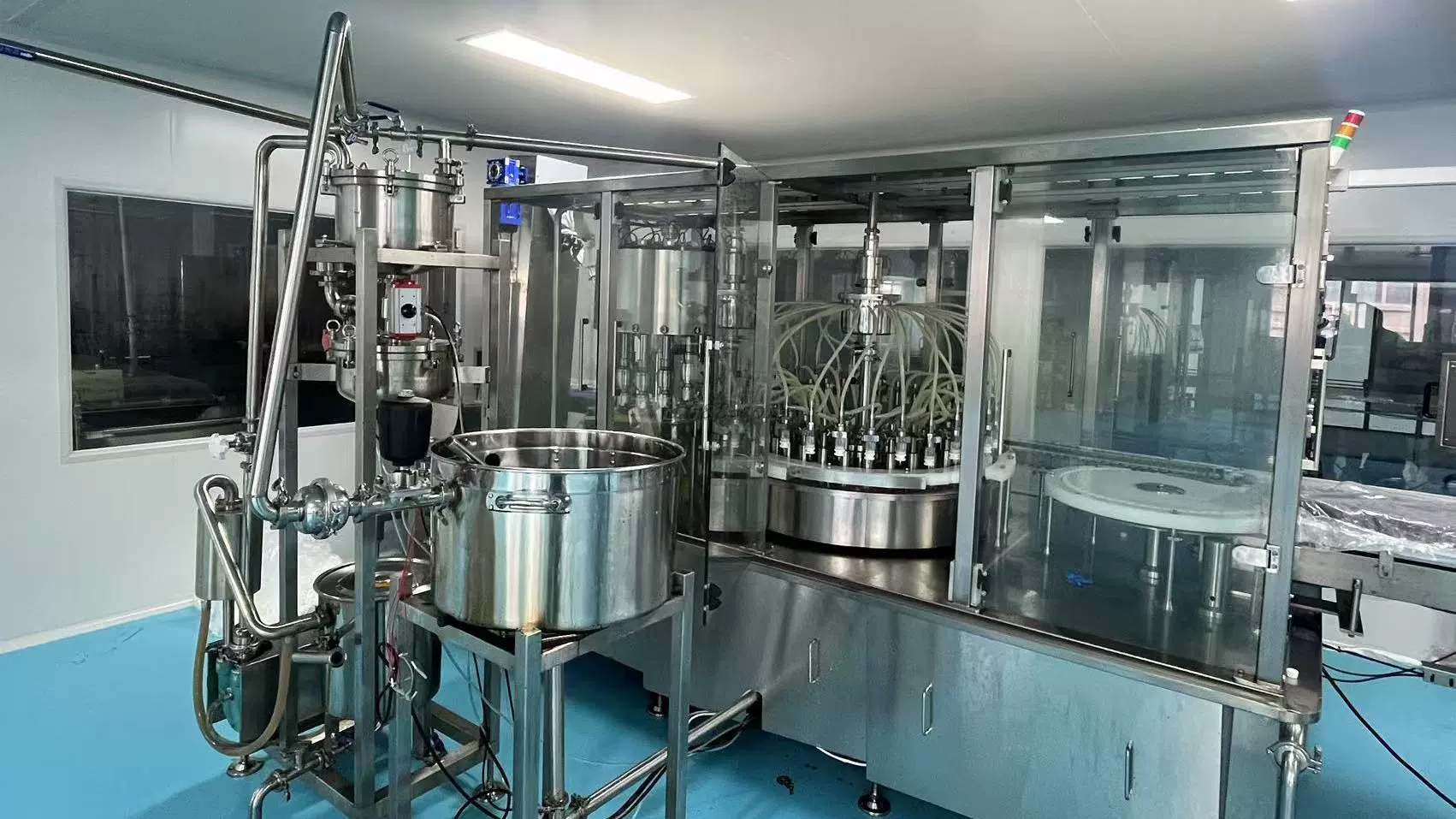
Several process steps push oxidation along. High-shear blending entrains a great deal of air, bringing powder into intimate contact with oxygen. Spray drying and heat treatments supply the temperature that activates oxidation. Trace iron and copper from equipment wear are potent oxidation catalysts. Responses include controlling blender speed and time, with vacuum or nitrogen blanketing where justified; using lower temperatures with longer hold, or gentler processes, for heat treatment; and specifying stainless contact surfaces with periodic wear inspection. Timing of flavour addition matters too, since heat-sensitive flavourings should be added after cooling or they are partly lost and partly degraded.
4. Choosing an antioxidant approach
Antioxidant options fall into three groups. Chelating agents such as citric or phytic acid bind metal ions and break the catalytic path, costing little but needing dose control to avoid flavour impact. Natural antioxidants including tocopherols, rosemary extract and tea polyphenols slow oxidation measurably but bring their own flavour or colour, so acceptability must be tested. Process-level oxygen exclusion covers nitrogen flushing, reduced headspace oxygen and oxygen scavengers. Practice usually combines them, and more is not better, since overdosing creates off-notes or compliance exposure. Every addition must satisfy labelling requirements and permitted use levels in the target market.
5. Selecting and validating barrier packaging
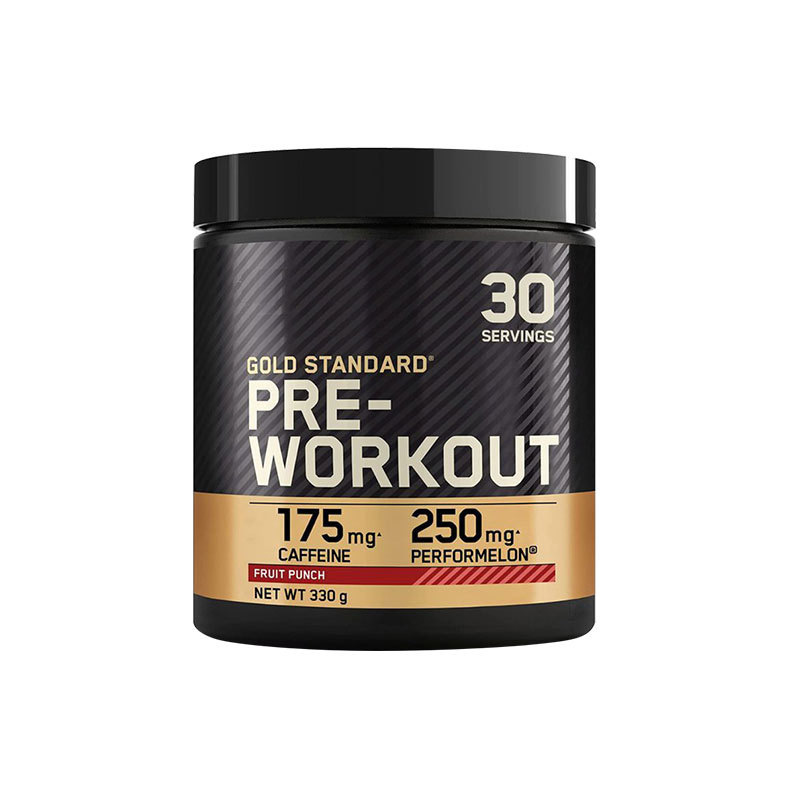
Packaging is the last line of defence. Three properties govern the choice: oxygen transmission rate, water vapour transmission rate and light barrier. Foil laminate gives the best oxygen and light barrier, suiting oxidation-prone products and large formats; metallised film is cheaper with slightly lower performance; plain plastic laminate offers the least protection and suits short shelf life or small nitrogen-flushed packs. Seal quality matters as much as the film, since a poor seal defeats the best material, so seal strength and integrity testing are required. Residual oxygen in the pack is a critical parameter, and nitrogen-flushed packs need a measured residual oxygen limit. Periodic in-line residual oxygen checks, correlated with accelerated flavour data, confirm whether the pack concept actually works.
6. Running a flavour shelf-life study
Flavour validation is harder than chemical testing because it is subjective, so the workable design runs both. On the quantitative side, peroxide value, anisidine value and free fatty acids are tracked with endpoint limits agreed in advance. On the sensory side, a fixed trained panel uses descriptive analysis, scoring attributes such as rancid, bitter and cardboard against a time-zero control. Panels need training and calibration or the data is not comparable. Accelerated storage at raised temperature shortens the cycle, but reaction pathways at high temperature can differ from ambient, so real-time retains must run as control. Acceptance is best set as whichever comes first: the chemical limit or the sensory threshold.
Related Products
Whey Protein Isolate with Vitamin B6 & B12 and Yeast Protein | Fitness Supplement OEM/ODM Source Manufacturer | Whey Protein Powder | Sports Nutrition Dietary Supplement Custom OEM
About Guangzhou Mesen Health Biotechnology Co., Ltd
Guangzhou Mesen Health Biotechnology Co., Ltd is located in the Huashan Science and Technology Park, Huadu District, Guangzhou. The company has focused on OEM and ODM services for the big health industry for nearly 20 years, operating dedicated research, production, sales and management centres, and maintaining long-term strategic partnerships with well-known Chinese medicine colleges and research institutions. Capabilities span pressed candy, gummies, capsules, solid beverages, herbal teas, plant beverages, protein powders, dietary supplements and enzyme jelly - from formulation development through contract manufacturing. For details on minimum order quantities, sampling lead times and quotations, see our manufacturing advantages and product range, or contact us for a tailored proposal.
Further Reading




