
Seal Integrity in Enzyme Jelly OEM: Heat Sealing, Leak Causes and Testing Methods
Enzyme jelly is usually packed in stick sachets or cups, and leakage is the most common and most underestimated defect of these formats. Slight leaks pass unnoticed at release and only emerge through transport and retail handling, so the consumer receives a swollen or mouldy pack, and the cost of dealing with it far exceeds the cost of making it. The cause is rarely a faulty sealer; more often the seal area is contaminated with product, or the sealing window was always narrow and normal variation drops out of it. This article covers, from the filling line, how to tune the three sealing variables, why product-in-seal happens, which tests are available, and how to balance seal strength against easy tearing. In our enzyme jelly OEM operation, sealing is monitored as a critical control point.

1. Tuning the three sealing variables
Seal quality rests on temperature, pressure and dwell together, none of which can be traded away entirely, though they substitute for each other within limits: higher temperature allows shorter dwell, firmer pressure lowers the temperature needed. The method is to hold two constant, scan the third, plot seal strength, and choose the combination where strength is adequate and the stable plateau is widest rather than the highest single reading. The wider the plateau, the more variation the line tolerates. Actual jaw temperature should be checked against setpoint along with uniformity across the jaw face, because uneven heating between sides causes many seal problems and deserves periodic verification with a surface thermometer. Parameters should also be reconfirmed whenever a film lot changes, since heat seal performance varies between batches.
2. Why product gets trapped in the seal
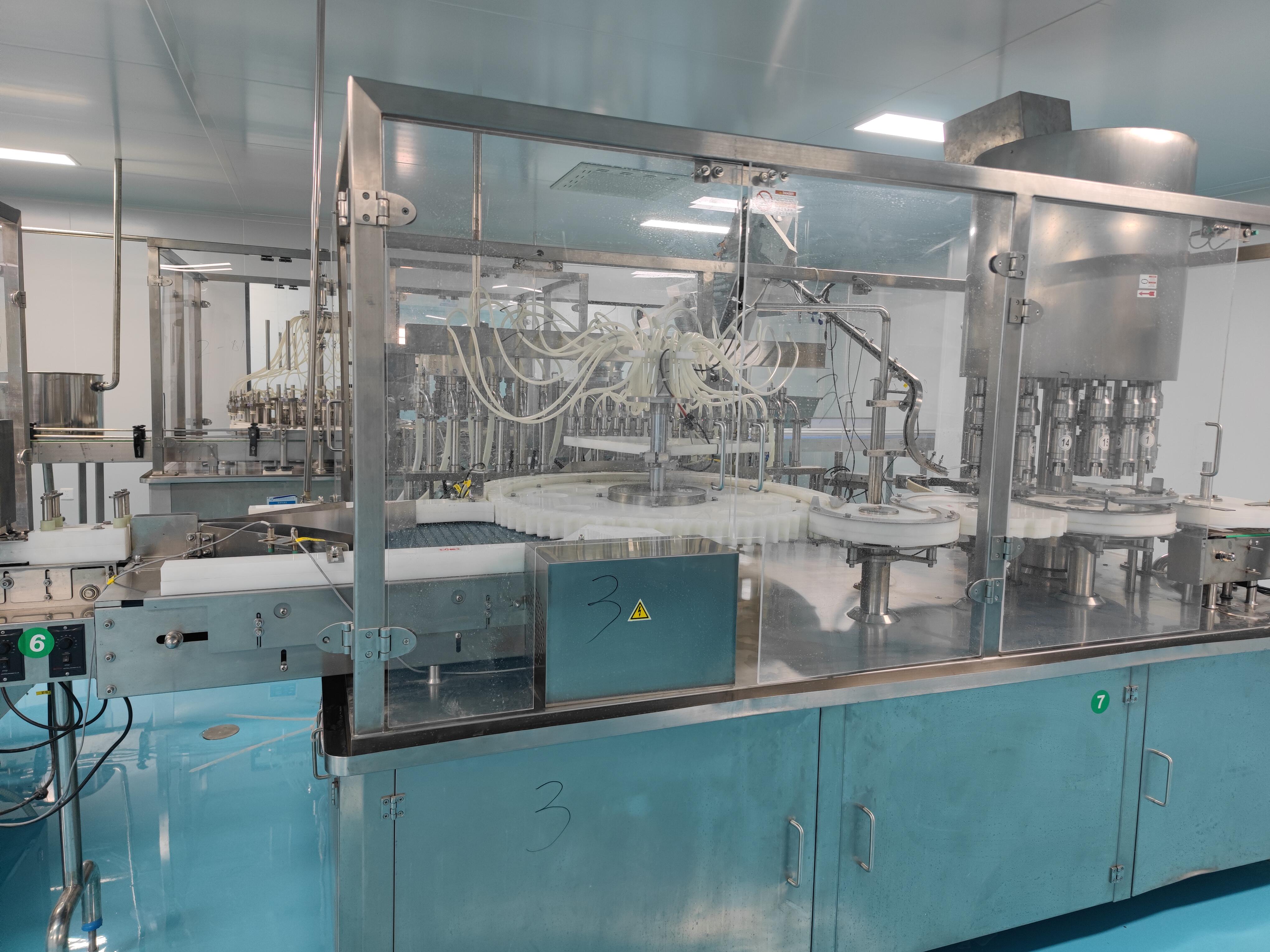
Product-in-seal is the most frequent failure mode, where residue in the seal area creates a channel for leakage. Causes fall into groups: overfilling so product rises into the seal zone; dripping or cling at the filling nozzle leaving residue before sealing; low viscosity product that spreads towards the seal during transverse sealing; and the de-aeration or shaping action pushing material into it. Responses follow directly, controlling fill volume and foam, fitting anti-drip nozzles and cleaning them routinely, adjusting viscosity so the mass holds where it is placed, and refining the shaping and venting sequence. The interval between filling and sealing is another factor easily missed: too short and product has not settled, too long and cooling interferes with the seal, so the window should be established by trial.
3. Film structure and choosing the seal layer
A laminate usually comprises an outer layer, a barrier layer and an inner seal layer, and it is the innermost layer that governs sealing. Polyethylene is the most widely used, sealing at low temperature with good strength; polypropylene tolerates higher temperatures and suits products needing post-fill heat treatment, though its window is narrower. Contents matter, since oily or strongly acidic formulations demand more resistant seal layers. Barrier properties drive shelf life, with foil giving the best oxygen and light protection and metallised film the next best. Thickness uniformity and slip agent bloom deserve attention too, as uneven gauge causes local sealing failures and excessive bloom can reduce seal strength. Material specifications and migration reports should be requested at selection stage.
4. In-line and off-line test methods
Tests vary in how invasive they are. Visual inspection with manual squeezing is cheapest but misses a great deal and only supplements other checks. Vacuum decay, non-destructive, places the pack in an evacuated chamber and monitors pressure, detecting very small leaks and suiting periodic sampling, though capital cost is significant and surface contamination can interfere. Underwater vacuum testing watches for bubbles, is destructive but fast and intuitive, and works well when investigating a deviation to locate the failure quickly. Seal strength testing pulls the seal apart and provides the numbers that drive parameter setting. Routine production is best served by a combination: strength testing to set parameters, vacuum decay for scheduled sampling, and visual squeeze as a coarse screen.

5. Balancing seal strength against easy tearing
A closure must hold and also open, which pulls in opposite directions. Too strong and the consumer cannot tear it or gets a ragged opening, a poor experience; too weak and packs split in transit. The workable sequence sets a strength floor that guarantees transport and shelf-life integrity, then optimises opening within it. Easy opening can be engineered several ways, including a laser score line in the film, easy-tear seal layer materials, or a notch in the seal geometry. Aged samples must be tested as well, because some materials gain seal strength during storage, producing packs that open easily at release and resist opening months later. Assessment should combine measured strength with hand-tear trials by several people rather than one subjective judgement.
6. Bringing seal quality under process control
What works is quantifying seal quality and trending it. Sample seal strength at defined frequency each shift, recording maximum, minimum and mean so spread is visible; track leak detection rate by batch and chart it against film lot, machine identity and shift; set warning and action limits with a defined response that covers traceability scope and disposition. Equipment maintenance matters equally, since residue on the sealing jaws directly affects heat transfer and closure, so a cleaning interval and jaw condition check should be specified. Film storage conditions deserve the same discipline, as heat and humidity alter performance, meaning climate-controlled storage with strict stock rotation. These routines look fussy but move leakage from reactive returns to active prevention.
Related Products
Extra Strength Orange Enzyme Jelly with Prebiotics | Fruit-Flavored Cup Jelly Private Label OEM Manufacturer | Collagen Fruit & Vegetable Enzyme Jelly with Prebiotics | Custom Extra Strength Jelly OEM Factory
About Guangzhou Mesen Health Biotechnology Co., Ltd
Guangzhou Mesen Health Biotechnology Co., Ltd is located in the Huashan Science and Technology Park, Huadu District, Guangzhou. The company has focused on OEM and ODM services for the big health industry for nearly 20 years, operating dedicated research, production, sales and management centres, and maintaining long-term strategic partnerships with well-known Chinese medicine colleges and research institutions. Capabilities span pressed candy, gummies, capsules, solid beverages, herbal teas, plant beverages, protein powders, dietary supplements and enzyme jelly - from formulation development through contract manufacturing. For details on minimum order quantities, sampling lead times and quotations, see our manufacturing advantages and product range, or contact us for a tailored proposal.
Further Reading


