
Oral Liquid OEM Filling Lines: Washing, Dosing and Cap Sealing
In oral liquid contract manufacturing, the formula leaves relatively little room for differentiation, and the real gap between suppliers shows up on the filling line. With the same formula, a small fill deviation risks failing net content, incomplete bottle washing can generate visible particles months later on the shelf, and a poorly sealed cap leaks in transit. These three operations look like machine handling, but each maps to specific parameters and acceptance criteria. A factory that controls those parameters delivers visibly more consistently than one that relies on operator feel. This article follows the line in sequence.
1. Bottle washing and drying is the underestimated first gate
Bottles and caps arrive carrying particulates, fibres and microorganisms from transport and storage. When washing is incomplete the consequence is not immediate; it appears during shelf life as visible particles or haze. A typical wash sequence uses multi-stage counter-current rinsing, jet rinsing and compressed air drying, and performance depends on three things: rinse water pressure and temperature, rinse time and volume, and the quality of the water used for the final rinse. The last rinse matters most, because water held too long in recirculation reintroduces contamination. After washing, residual water inside the bottle must be blown dry, since it dilutes the contents and becomes a starting point for microbial growth. Effectiveness is normally verified through visible particle inspection and water quality testing, supported by periodic microbiological sampling of washed bottles.
2. The filling method sets accuracy and loss
Two approaches dominate. Volumetric filling controls the dose through a metering pump or piston stroke: fast, well-proven, inexpensive to maintain, and the choice of most high-volume lines, but sensitive to changes in viscosity, density and temperature, so a formula tweak or a shift in product temperature can move fill weight across the board. Gravimetric filling weighs each bottle with real-time feedback, giving higher accuracy for high-value, low-volume or viscosity-variable products at the cost of speed, capital and maintenance. Selection should follow the fill tolerance and physical behaviour of the product rather than a throughput headline. With either method, fill weight should be confirmed by sampling before and after the run, with particular attention to the start-up phase and to product made immediately after any stoppage.
3. Foam, dripping and wall cling are the three chronic issues
All three affect accuracy and appearance. Foam usually originates in blending and pumping; foam entering the metering chamber lowers the actual dose and leaves an uneven surface that interferes with inspection. Remedies include reducing pumping shear, allowing a settling period and moderating filling speed to reduce impact, with inline deaeration where needed. Dripping generally traces to nozzle design and worn seals, showing up as product on the bottle finish, which then contaminates the body and compromises the seal; scheduled seal replacement and correct nozzle-to-bottle alignment are the standard responses. Wall cling relates to viscosity and bottle geometry: a viscous product needs a moment for the surface to settle, and sending it straight into the capping station produces a biased fill reading.
4. Cap sealing is the direct cause of transit leakage
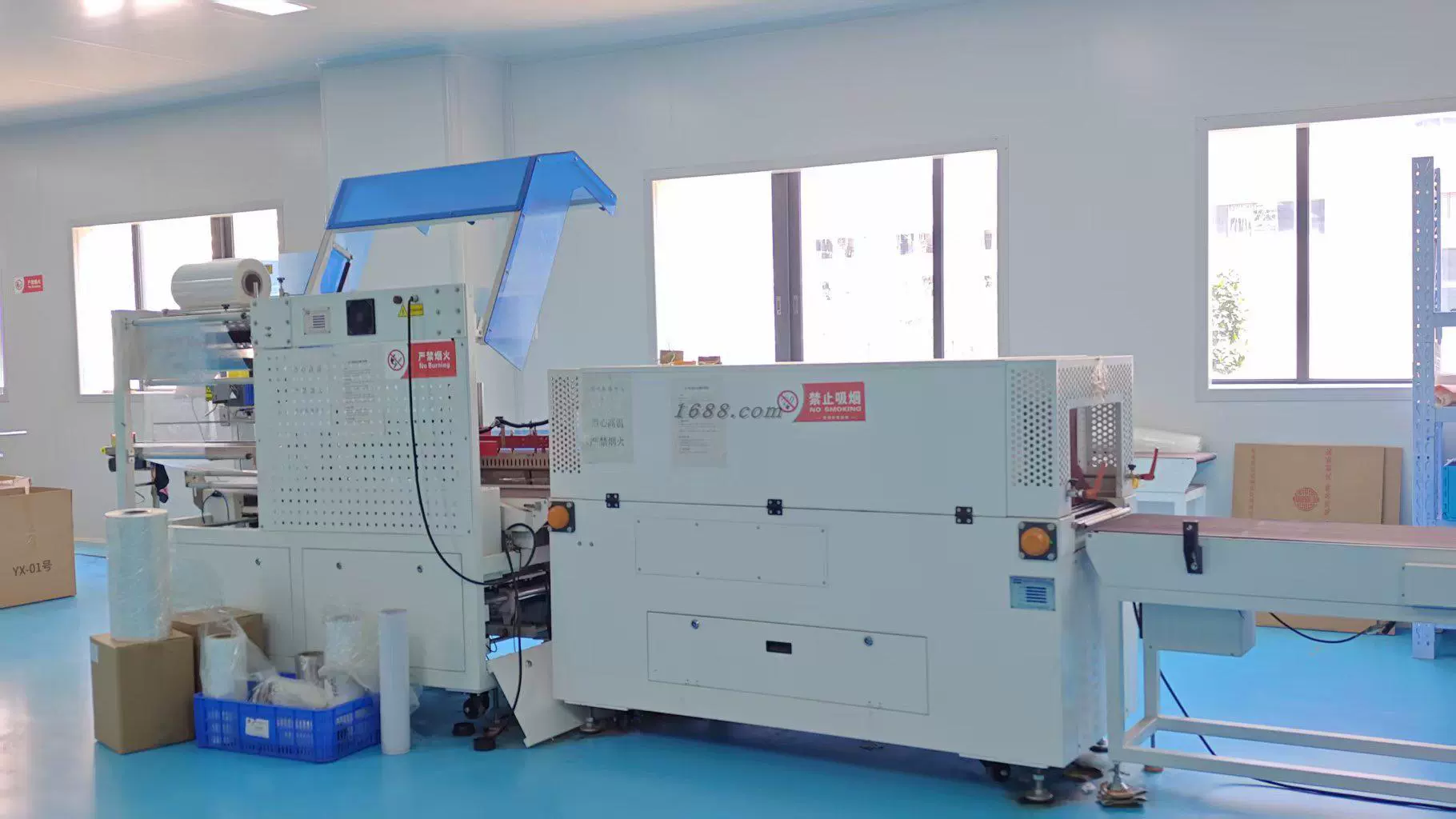
Sealing determines whether the bottle survives shipping. The parameters are torque or crimp height, the compression of the liner against the finish, and the material and resilience of the cap itself. Too little torque allows loosening and leakage; too much can damage the finish or permanently deform the liner so that it no longer seals. Torque therefore needs a range rather than a single target value, checked and recorded by batch. Seal verification typically uses vacuum testing, dye penetration or immersion observation, all of which can screen out poor seals quickly. For export products that see temperature swings in transit, seal sampling should be repeated after thermal cycling, because plastic caps lose resilience when warm and a seal that passes at ambient temperature may not survive a hot container.
5. Setting inline checkweighing and inspection so they actually work
Inline checkweighing is the most economical fill control, but only if it is set up properly. Limits should be derived from the fill tolerance and the process capability rather than copied from machine defaults, and the reject channel needs periodic verification to confirm that it is rejecting genuinely non-conforming units rather than effective ones. Visual inspection identifies visible particles and packaging defects and matters especially with transparent or translucent bottles, requiring appropriate lighting intensity and background, plus periodic challenge with prepared standards to confirm that the inspector or system actually detects what it should. Turning these checks into daily records is the precondition for spotting trends.
6. Changeover cleaning and batch records are not optional
Oral liquids are usually made on shared lines across many products, so the quality of changeover cleaning directly determines cross-contamination risk. Product lines, metering pumps, nozzles, holding tanks and drip trays all require cleaning, followed by residue checks and, where appropriate, rinse water sampling. Batch records should capture cleaning times, parameters, verifier and results, along with critical filling parameters and any deviation. These records feel like overhead on an ordinary day; the moment a batch-level quality problem appears, they are the only starting point for establishing the scope and deciding whether a recall is required.
There is nothing exotic about an oral liquid filling line. The difficulty is that every parameter has a defined range and every batch has to hit it. Controlling the washing, filling and sealing stages, and documenting them, improves delivery consistency more reliably than further tinkering with the formula.
Related Products
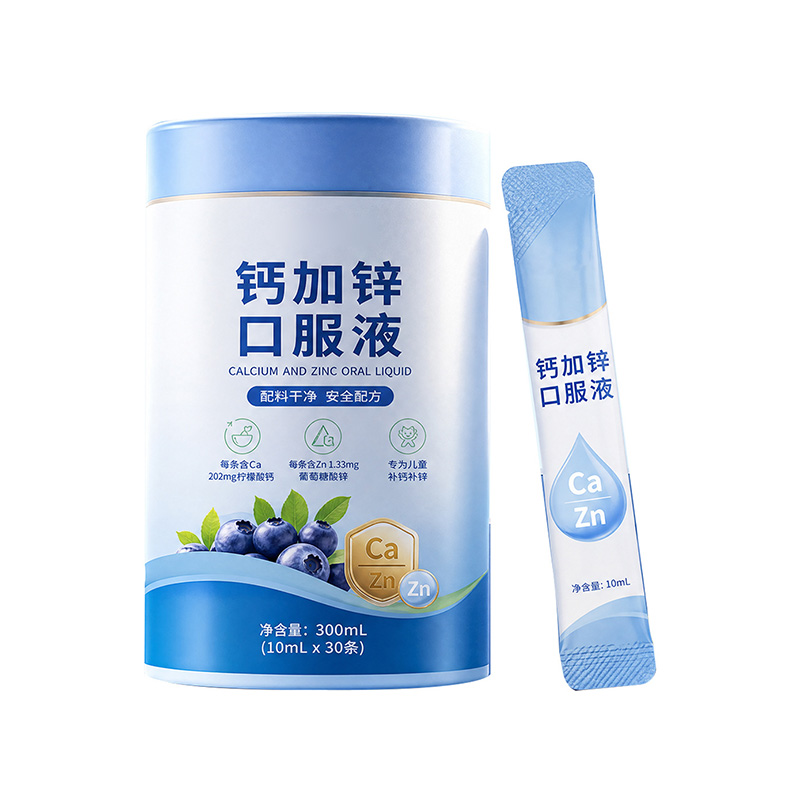
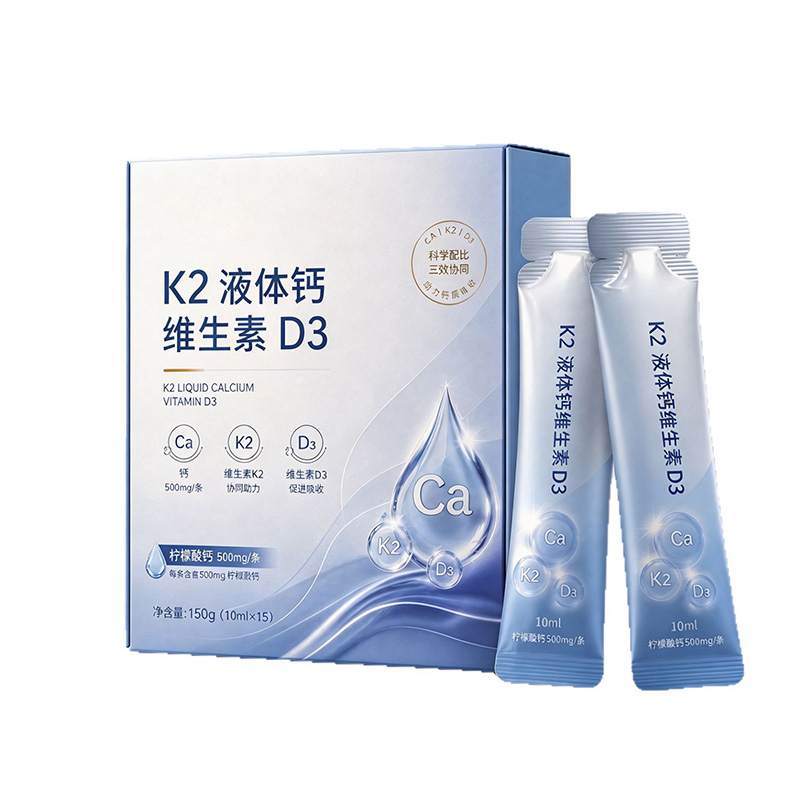
Calcium + Zinc Oral Liquid Blueberry Flavor | Zinc Gluconate Liquid Calcium Supplement for Kids OEM | Kids Liquid Calcium with High-Potency Vitamin K2 & D3 | Calcium Zinc Oral Liquid for Teens OEM
About Guangzhou Mesen Health Biotechnology Co., Ltd
Guangzhou Mesen Health Biotechnology Co., Ltd is located in the Huashan Science and Technology Park, Huadu District, Guangzhou. The company has focused on OEM and ODM services for the big health industry for nearly 20 years, operating dedicated research, production, sales and management centres, and maintaining long-term strategic partnerships with well-known Chinese medicine colleges and research institutions. Capabilities span pressed candy, gummies, capsules, solid beverages, herbal teas, plant beverages, protein powders, dietary supplements and enzyme jelly - from formulation development through contract manufacturing. For details on minimum order quantities, sampling lead times and quotations, see our manufacturing advantages and product range, or contact us for a tailored proposal.
Further Reading




