
Cost Reduction in Nutraceutical OEM: Four Paths and the Red Lines
After a year or two of working together, nearly every brand owner asks the same question: can it be cheaper? In contract manufacturing for functional foods, simply pressing the factory for a lower price is the least effective route. Conversion charges are usually a modest share of total cost while raw materials and packaging dominate, and sustained pressure typically ends with raw material grades quietly dropping, product quality following, and the brand paying for it. A far better approach is joint value engineering: open up the cost structure, find the redundancy the consumer cannot perceive, and convert it into quality the consumer can. This article works through four paths and marks the lines that must not be crossed.
1. Path one: material substitution and specification reset
Raw materials usually exceed half of total cost, making this the largest opportunity and the one requiring most care. Three moves are defensible. Equivalence substitution, such as replacing part of a fresh juice with concentrate or moving to a different molecular weight grade of the same material, must be supported by small-batch comparison and stability verification confirming that sensory performance and shelf life hold. Supplier comparison and specification reset comes next; formulas often carry excess content as insurance in the early design stage, and recalculating the charge can recover that margin provided analytical data supports it. Removing ineffective inclusions is the third: ingredients that accumulated over revisions and contribute nothing to the product or its claims can be cleaned out. What to avoid is swapping in a lower grade while keeping the original formula. That reduces cost and reduces repeat purchase along with it.
2. Path two: packaging optimisation
Packaging offers clear savings at manageable risk. Typical moves include reducing print colours and special finishes, standardising bottle and carton formats across flavours or sizes to cut plate charges and changeovers, light-weighting while retaining the necessary barrier layer, downgrading an over-specified carton to one that still meets compression requirements, and removing unnecessary windows and inserts. Most of these do not touch the formula or label content, so verification focuses on protective performance: whether moisture and oxygen transmission still support the shelf life, whether cartons still stack, and whether seal integrity is maintained. An added benefit is reduced shipping volume and weight, which lowers logistics cost, and that saving is often overlooked in the calculation.
3. Path three: batch size and scheduling
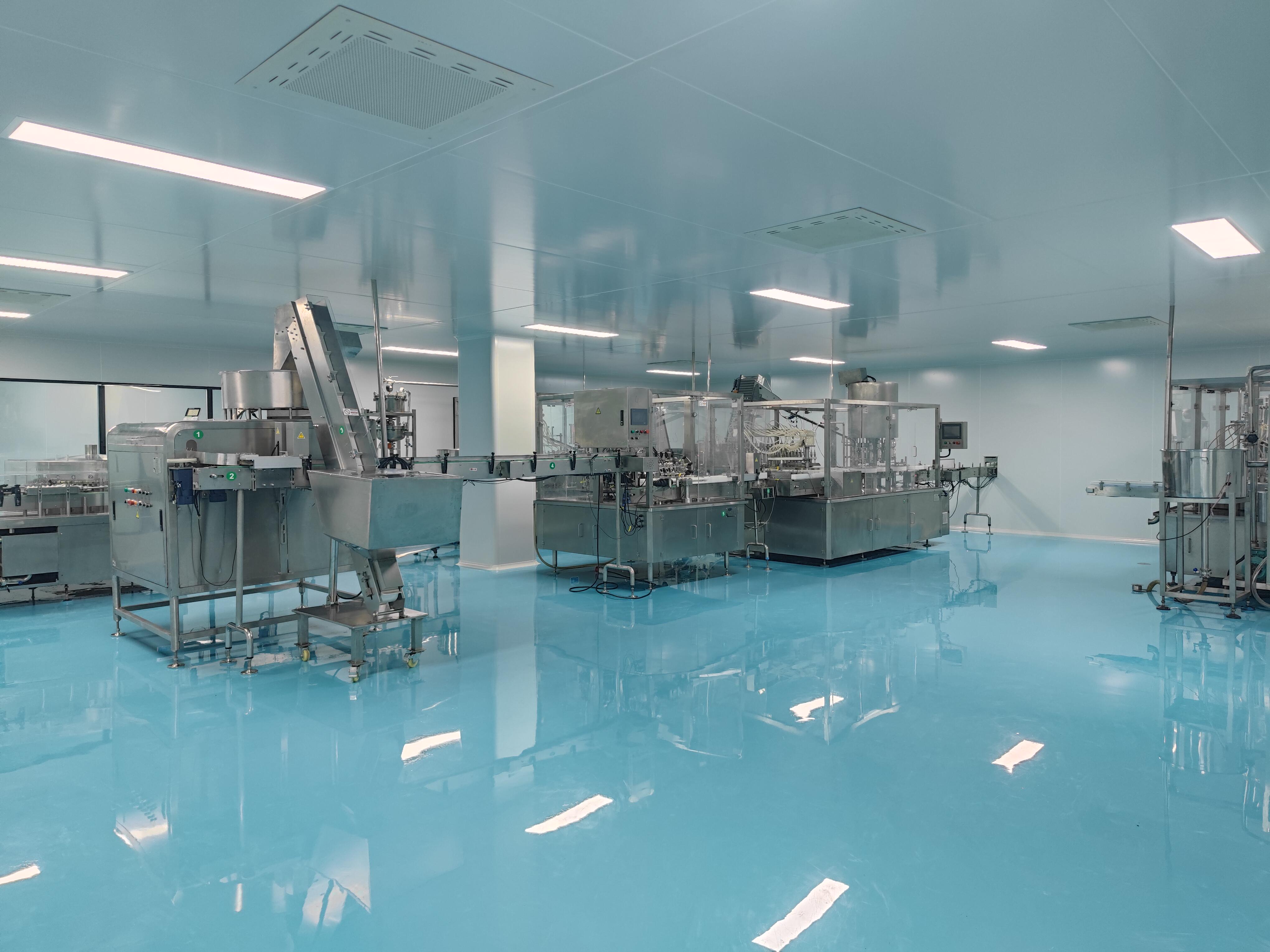
Conversion charges and losses scale with batch size. Larger batches spread changeover cleaning, machine setup and start-up losses across more units, which lowers unit conversion cost, and consolidating several flavours into one production plan reduces the number of cleanings. The trade-off is inventory and cash, so this has to be planned against the sales forecast rather than used to chase cost reduction at the risk of unsold stock. Annual framework agreements are another effective lever: committing to an annual volume with scheduled releases lets the factory lock raw material prices and capacity in advance and pass on the value of that certainty, which is far easier to agree than arguing over each order.
4. Path four: process simplification and yield improvement
Process savings are chronically underestimated. Sensible simplification of steps, fewer unnecessary transfers, better drying or sterilisation parameters and improved material utilisation all deliver real gains without changing composition or labelling. Yield makes the point: raising finished output by a few percentage points from the same input can contribute more than anything available in a conversion-fee negotiation. Achieving it depends on equipment condition and data. Only when input, output, loss distribution and defect rate are recorded per batch does it become clear where material is being lost; otherwise yield improvement stays a slogan.
5. Red line one: compliance, labelling and claims
Some things cannot be touched whatever the cost pressure. Legally required testing, necessary stability studies and mandatory label content are the floor; reducing them saves risk-free money only in appearance. Cutting test frequency to save money means one failing batch can cost far more than the testing ever did. Equally, changing a formula for cost reasons without updating the label creates a mismatch between the label and the product, which is among the first things a regulator will find.
6. Red line two: stability, taste and consumer perception
The second red line is the product itself. Substituting materials can shift flavour and colour, light-weighting packaging can shorten shelf life, simplifying a process can alter texture, and each of these must be checked through comparison work to confirm the consumer either cannot perceive the change or accepts it. Every change to formula or packaging should run through a change management process: raise the change, assess the impact, run a small trial, compare stability and sensory results, retain samples and document the outcome, with advance notice to the customer where the product is registered or the customer has required it. Durable cost reduction comes from doing change properly; the time skipped in validation comes back later as complaint handling.
The right posture is value engineering rather than price negotiation. Open the cost structure, remove what the consumer cannot perceive, then work on batch size and process, and treat material substitution as the last lever - documenting the validation at every step. That is how cost comes down without giving away either margin or reputation.
Related Products
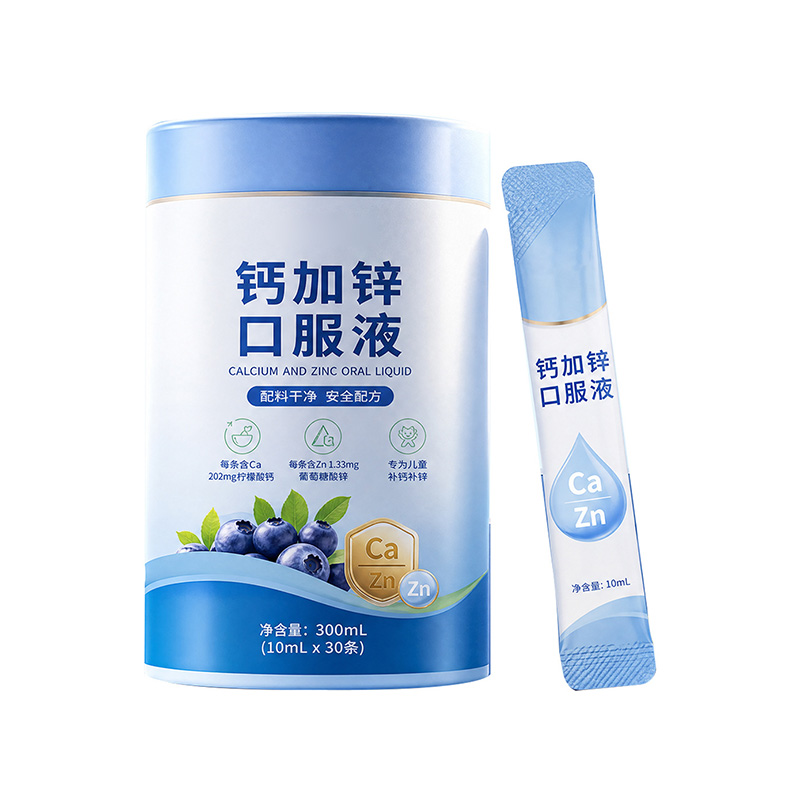
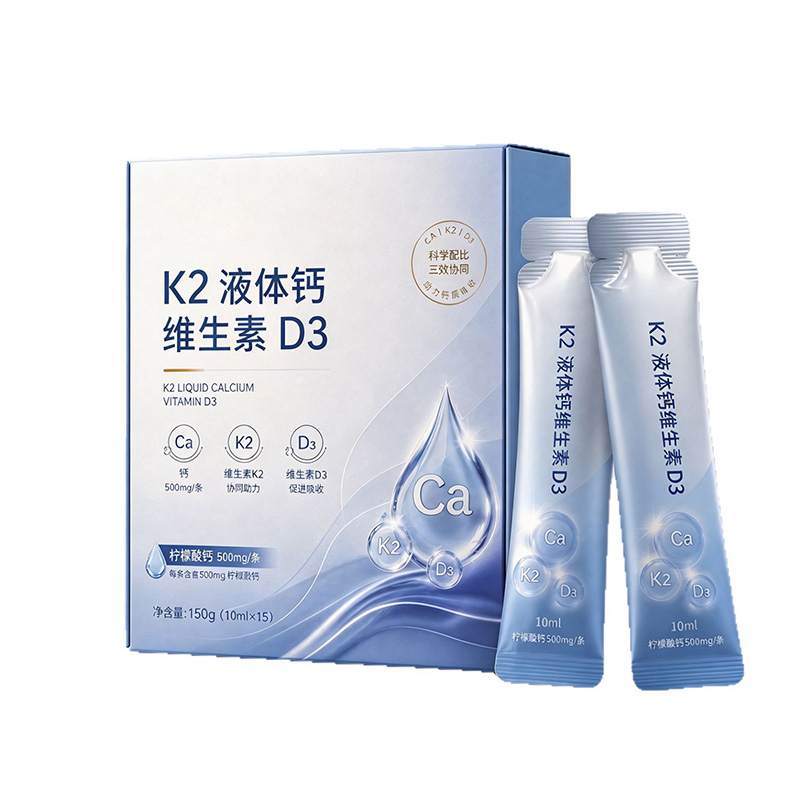
Calcium + Zinc Oral Liquid Blueberry Flavor | Zinc Gluconate Liquid Calcium Supplement for Kids OEM | Kids Liquid Calcium with High-Potency Vitamin K2 & D3 | Calcium Zinc Oral Liquid for Teens OEM
About Guangzhou Mesen Health Biotechnology Co., Ltd
Guangzhou Mesen Health Biotechnology Co., Ltd is located in the Huashan Science and Technology Park, Huadu District, Guangzhou. The company has focused on OEM and ODM services for the big health industry for nearly 20 years, operating dedicated research, production, sales and management centres, and maintaining long-term strategic partnerships with well-known Chinese medicine colleges and research institutions. Capabilities span pressed candy, gummies, capsules, solid beverages, herbal teas, plant beverages, protein powders, dietary supplements and enzyme jelly - from formulation development through contract manufacturing. For details on minimum order quantities, sampling lead times and quotations, see our manufacturing advantages and product range, or contact us for a tailored proposal.
Further Reading




