
Oral Liquid OEM: Bottle Formats, Dosing Tools and Safety Packaging
When customers discuss liquid supplement contract manufacturing, packaging usually comes after the formula. Yet many of the reputation problems seen in the market originate in packaging: grading that cannot be read, droppers that fail to draw, caps that leak, and cases of children opening bottles. A bottle for an oral liquid does three jobs at once - accurate dosing, product protection and use guidance. If those are not considered together at the selection stage, no instructions leaflet will rescue them later. This article covers bottle format choice, matching to the filling line, the accuracy of dosing tools, when child-resistant packaging applies, and compatibility confirmation.
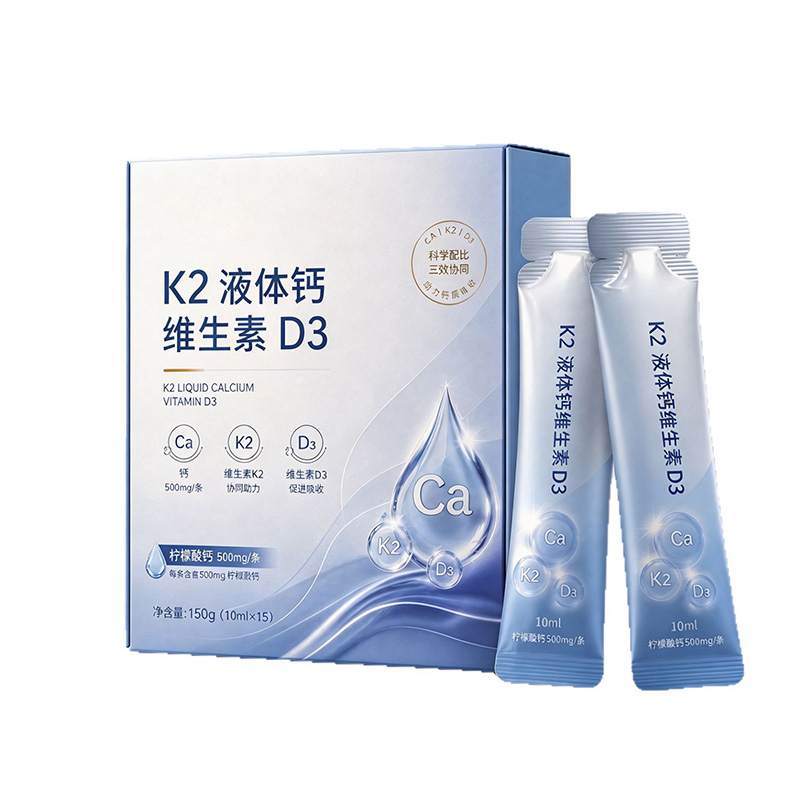
1. Choose the bottle format around the filling line
Oral liquids come in glass bottles, plastic bottles and laminated pouches. Glass offers excellent barrier and chemical stability plus a premium appearance, suiting light- or oxygen-sensitive products and higher positioning, but it is heavy, breakage-prone in transit and demands careful logistics. Plastic is light, impact-resistant and inexpensive, though oxygen and moisture transmission and sorption need assessment, particularly for oil-soluble actives and flavours. Pouches are light and cheap and suit single-serve formats, but they place higher demands on filling accuracy and their compression strength and seal integrity need validation. Before deciding, confirm what the filling line can accept, because body diameter, neck thread and height all determine the adjustment range of locating and capping mechanisms. Forcing an incompatible bottle usually degrades fill accuracy and cap sealing.
2. Dosing tools are where oral liquids lose most points
The most immediate consumer complaint about a liquid supplement usually involves the dosing tool. Problems with measuring cups cluster around legibility and accuracy: graduations too dense to read, too small to pour against, or a wall flexible enough to deform and distort the reading. Design should make the commonly used graduations prominent, define the relationship between actual and nominal capacity clearly, and verify it by gravimetric sampling. Droppers present a different problem: drawn volume and drop size depend on bulb resilience, tube bore and graduation position, and viscous liquids make accurate dosing with a dropper impractical - a graduated cup or a metered cap is the better choice there. Whatever the tool, test it with real users who try to dose without reading instructions and observe the error range; that reveals more than a laboratory capacity calibration.
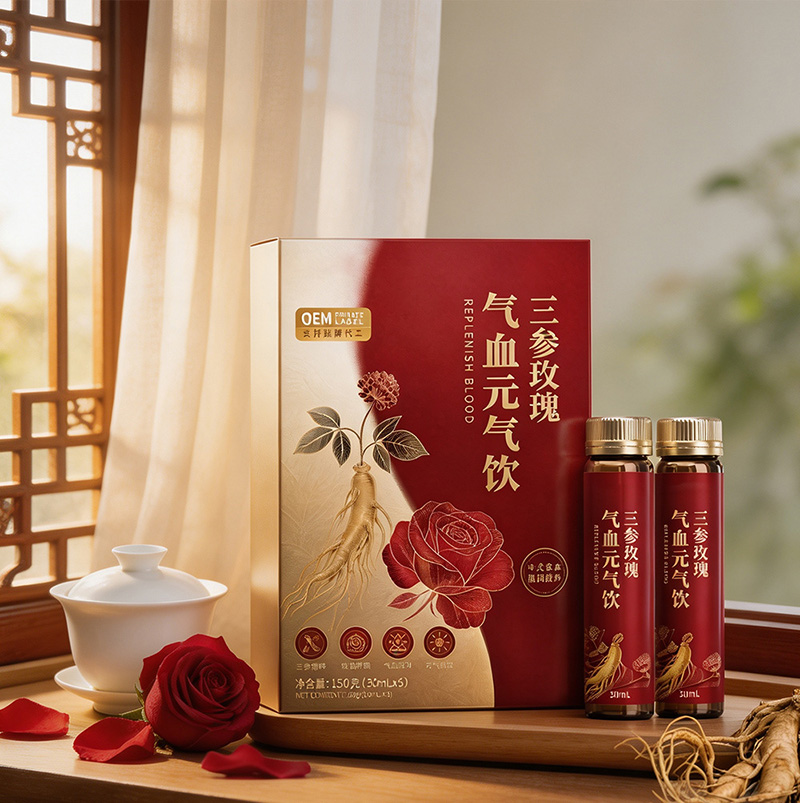
3. When child-resistant packaging applies
Child-resistant packaging relies on push-and-turn or other specific opening actions to reduce the risk of a child opening and ingesting the contents. Whether to specify it depends on the product positioning, the sales channel and the regulatory requirements of the target market. Some markets mandate it for particular ingredients or pack types; in others it is a company decision. It is worth remembering that added resistance also makes opening harder for older users, so the choice is a trade-off between protection and usability. Protection must also be verified, covering opening force, performance after repeated open-close cycles, and behaviour under humid or cold conditions. That data serves compliance and also supports the conversation with the customer.
4. Confirming compatibility between pack and contents
Compatibility is the area most often simplified and most likely to be questioned later. Plastic bottles can sorb oil-soluble actives or flavour compounds and can migrate additives into the contents. Glass is relatively inert, but stoppers, liners and internal coatings still interact. Coding inks and label adhesives can also affect the bottle material. The usual approach combines accelerated contact studies measuring changes in target actives, the appearance of migrants, and changes in pack weight, appearance and mechanical strength. For light-sensitive ingredients, assess the light transmission of the bottle and the shading performance of the outer carton. This work belongs at sampling stage, documented and filed with the product record; discovering it after launch, when assay has dropped or an off-note has appeared, is far more expensive to resolve.
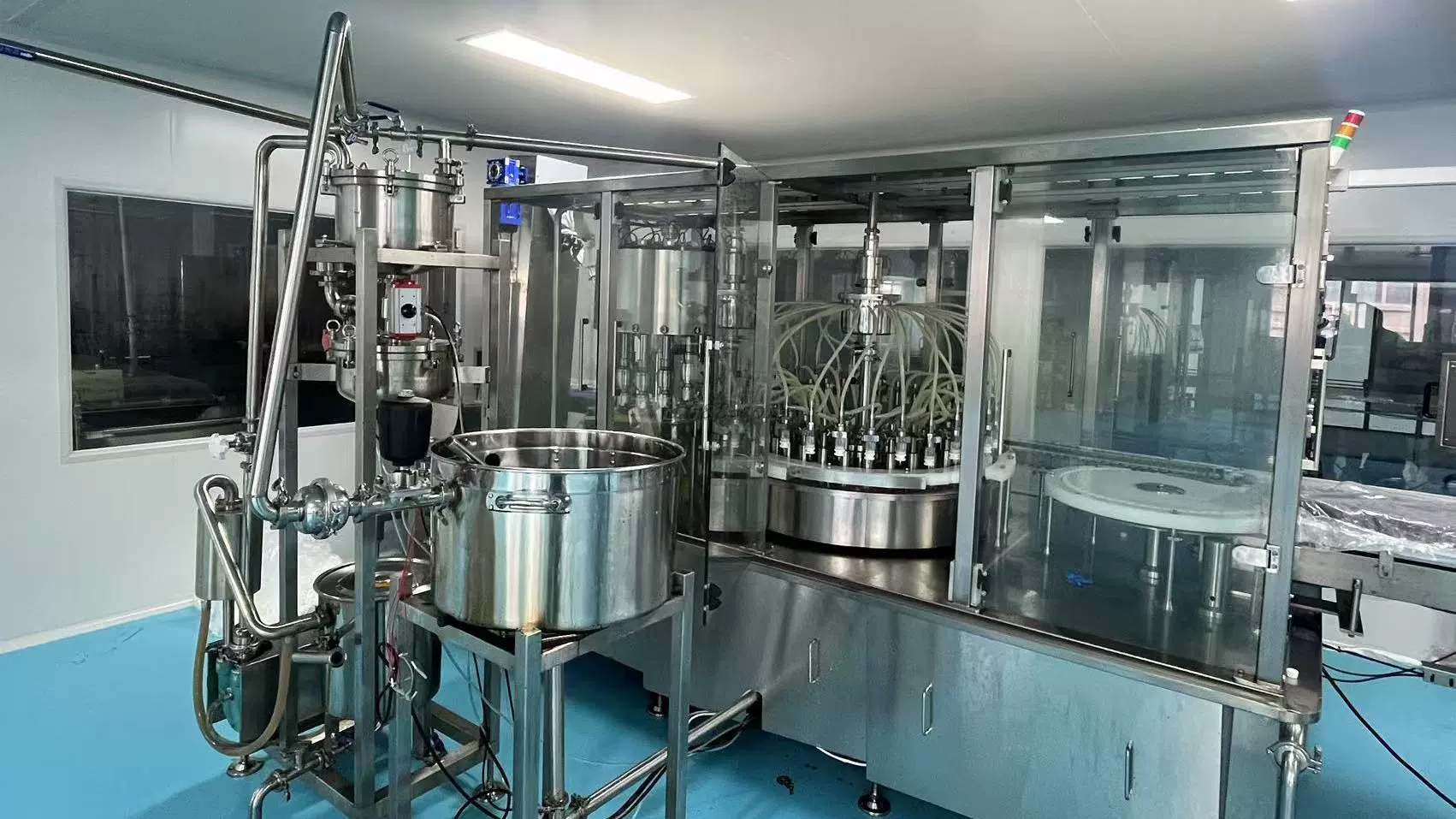
5. Filling and capping fit
Once the pack is fixed, return to the line and check fit. Nozzle diameter must match neck size or drips and wall build-up result. Fill temperature affects viscosity and therefore fill stability. Capping torque needs setting and periodic verification, since too little leaks and too much damages the cap or makes it hard to open. For hot-fill products, assess the risk of bottle deformation at filling temperature. These parameters should be established and recorded during trial production to build a standard setup for each bottle format. Where a plant runs several formats, add the format-changeover adjustment steps to the changeover checklist so that nothing is missed and batch-wide defects are avoided.
6. Treat packaging as part of the product definition
Bring packaging into the project discussion from the start: bottle format, dosing tool type, child-resistance requirements, label placement and transport tolerance, with validation scheduled accordingly. The direct benefit is fewer late changes, because altering liquid packaging drags labels, cartons, filling parameters and stability testing along with it. From the factory side, a well-chosen pack fills efficiently and generates fewer complaints. From the customer side, packaging is the first thing a consumer sees, and its finish affects repeat purchase. It deserves a defined place in development investment.
Packaging an oral liquid is a cross-disciplinary problem spanning materials, structure, metrology, regulation and production lines. Settle all of them during sampling and the later stages of production and launch run smoothly.
Related Products
Calcium + Zinc Oral Liquid Blueberry Flavor | Zinc Gluconate Liquid Calcium Supplement for Kids OEM | Kids Liquid Calcium with High-Potency Vitamin K2 & D3 | Calcium Zinc Oral Liquid for Teens OEM
About Guangzhou Mesen Health Biotechnology Co., Ltd
Guangzhou Mesen Health Biotechnology Co., Ltd is located in the Huashan Science and Technology Park, Huadu District, Guangzhou. The company has focused on OEM and ODM services for the big health industry for nearly 20 years, operating dedicated research, production, sales and management centres, and maintaining long-term strategic partnerships with well-known Chinese medicine colleges and research institutions. Capabilities span pressed candy, gummies, capsules, solid beverages, herbal teas, plant beverages, protein powders, dietary supplements and enzyme jelly - from formulation development through contract manufacturing. For details on minimum order quantities, sampling lead times and quotations, see our manufacturing advantages and product range, or contact us for a tailored proposal.
Further Reading




