
Sparkling Plant Beverage OEM: Carbonation, CO2 Levels and Bottle Pressure
Sparkling formats have grown quickly in recent years, and plant beverage contract manufacturing enquiries increasingly arrive with a carbonation request: sparkling tea, sparkling fruit drinks, sparkling botanical blends. Buyers usually start from a simple idea - add gas to the existing recipe and the mouthfeel gets livelier. Sampling quickly reveals that carbonation pulls a whole set of parameters with it. The CO2 level defines both mouthfeel and pressure rating; the filling method determines how stable that level stays; bottle and closure determine whether the pack seeps or bursts in transit; and carbon dioxide itself shifts acidity and flavour release. This article connects the chain.
Decide what kind of sparkle you want first
Sparkling drinks are not one category, and CO2 levels vary widely. Lightly carbonated products, closer to a soft sparkling water, feel gentle and suit botanical and delicate tea bases. Medium carbonation approximates a conventional soft drink and works well with fruit. High carbonation gives the strongest bite but places the heaviest demands on pack pressure ratings and filling equipment. Target CO2 level and container format should be fixed at design stage, because those two decide the process route - not the other way round. Also clarify whether the product is for mealtime refreshment, palate cleansing or pure flavour experience, because that feeds back into sweetness and acidity. Carbonated products taste different from still ones at the same sugar-acid ratio.
The physics behind carbonation
The solubility of carbon dioxide in water depends on temperature and pressure: colder and higher pressure dissolves more. That single rule explains much of the operational common sense. Liquid must be pre-chilled before carbonation, otherwise achieving the target CO2 level demands very high pressure, wasting gas and loading the equipment. Filling has to happen under pressure - once pressure drops, dissolved gas escapes quickly and the CO2 level falls with it. Finished packs stored warm lose gas gradually, which is how consumers end up with a bottle that opens flat. Controlling carbonation is therefore a coordination of temperature, pressure, time and seal integrity.
Process route: how to carbonate and how to fill
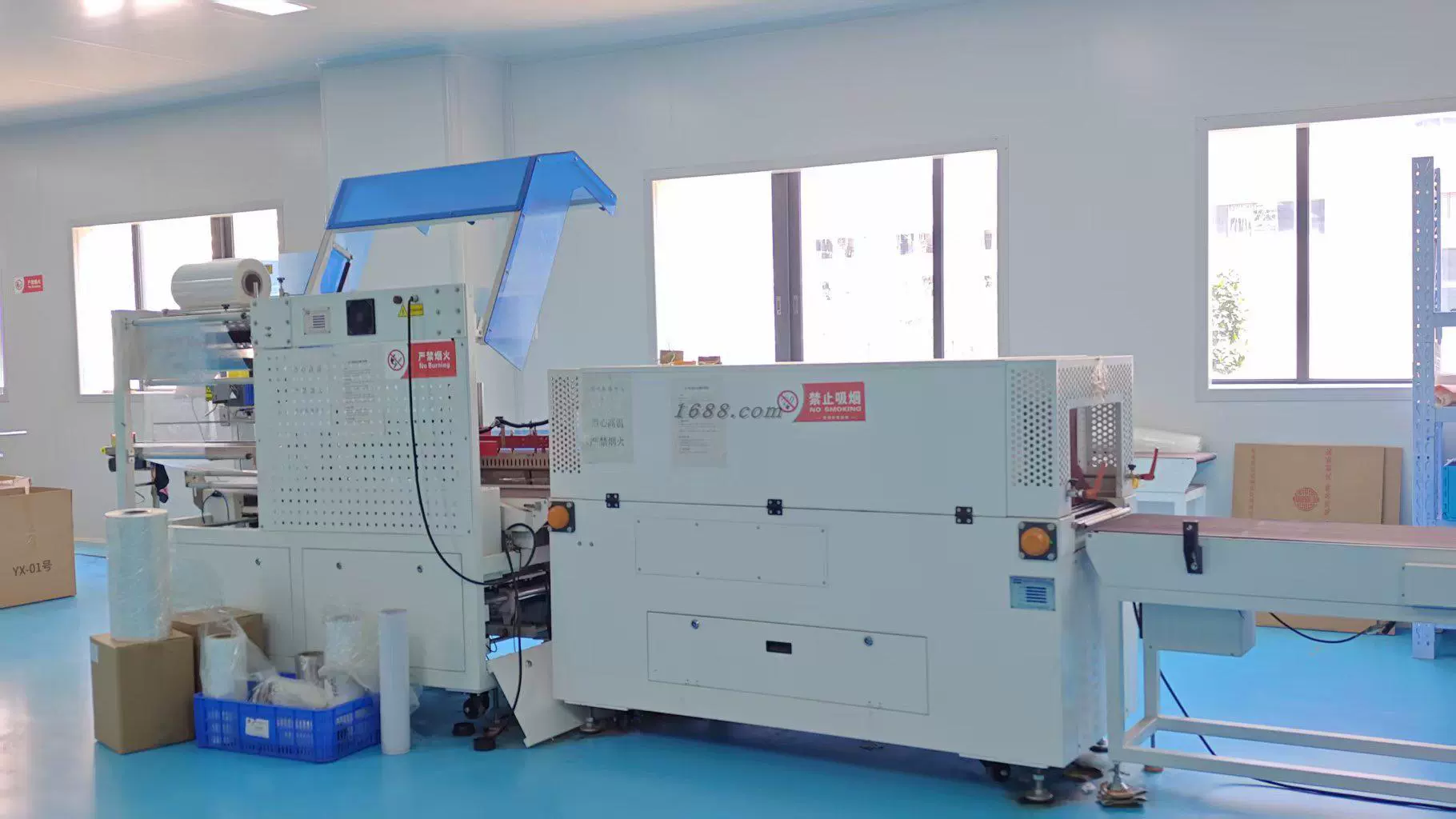
Two carbonation approaches dominate. Pre-mix carbonation blends water and syrup in proportion and carbonates the mixture in one pass; it suits simple formulations and gives uniform CO2. Post-mix carbonation carbonates water alone and then blends it with syrup inline; it suits multi-product lines because changeover is flexible, but it demands precise proportional control. On filling, isobaric filling is the standard: pressurise the bottle to match the tank, then fill by gravity or pressure so gas stays in solution. Fill temperature, fill speed and counter-pressure time all need tuning, and any drift produces CO2 variation or unstable fill heights. Remember that plant beverages often contain pulp, fibre or extracts that can clog filling valves, so filtration or particle size control belongs in the formulation plan.
Bottle design and pressure rating
Carbonated products make entirely different demands on packaging than still drinks. PET bottles must be selected by pressure rating, and the body usually needs reinforcing ribs and a petaloid base to withstand internal pressure; walls that are too thin deform or rupture under heat or impact. The closure is equally critical - liner material and dimensional tolerance in the cap cause slow leakage that routine factory checks often miss and that only appears in the consumer's hands. Glass handles pressure well but adds weight and breakage cost. Cans offer excellent pressure and barrier performance and recycle easily, but require dedicated filling equipment. Selection should weigh line compatibility, transport distance and channel characteristics together.
Common problems and their causes
Insufficient carbonation is the most frequent complaint, and the cause may be high carbonation temperature, insufficient contact time, unstable filling pressure or a poor cap seal. Bursting and deformation usually trace to a CO2 level above the container's design value, high transport temperature or impact - products set at the upper end of carbonation carry the greatest risk during long summer journeys. Flavour fade is specific to carbonated formats. CO2 amplifies acidity, suppresses sweetness and mutes some aromatics, so the same recipe can taste like two different products with and without gas. The formula must be tuned in its final carbonated state. Preservation is affected too: CO2 has some antimicrobial effect but shifts system pH, so preservative efficacy needs re-verification.
Verification and shelf life
Carbonated products need several checks that still drinks do not. Test CO2 level, internal bottle pressure and fill height at release. Run pressure and drop tests that simulate transport vibration. Hold samples at elevated temperature and watch for deformation, leakage and CO2 loss. Measure carbonation again at end of shelf life and confirm it is still acceptable. Write these into internal specifications and sample every batch rather than investigating after complaints arrive. For a contract manufacturing project, the most effective move is to settle bottle, closure, CO2 level and filling parameters as one integrated package at sampling stage, avoiding later single-point changes that trigger cascading adjustments.
A sparkling product looks like a matter of adding gas. In practice it links formulation, process, packaging and logistics into one chain: CO2 level is the target, temperature and pressure are the means, bottle and seal are the guarantee, and flavour tuning is the outcome. Design all four together and the product behaves consistently - on the shelf and in the consumer's mouth.
Related Products
Milk Thistle, Kudzu & Turmeric Beverage with Sea Buckthorn Puree & Honey | Herbal Oral Liquid OEM | Liquid Fruit & Vegetable Salad Fiber Drink | Dietary Fiber Meal Replacement Vegetable Juice Beverage OEM
About Guangzhou Mesen Health Biotechnology Co., Ltd
Guangzhou Mesen Health Biotechnology Co., Ltd is located in the Huashan Science and Technology Park, Huadu District, Guangzhou. The company has focused on OEM and ODM services for the big health industry for nearly 20 years, operating dedicated research, production, sales and management centres, and maintaining long-term strategic partnerships with well-known Chinese medicine colleges and research institutions. Capabilities span pressed candy, gummies, capsules, solid beverages, herbal teas, plant beverages, protein powders, dietary supplements and enzyme jelly - from formulation development through contract manufacturing. For details on minimum order quantities, sampling lead times and quotations, see our manufacturing advantages and product range, or contact us for a tailored proposal.
Further Reading




