
Water and CIP Control in Plant Beverage OEM: Treatment, Cleaning and Verification
Water makes up more than eighty percent of a typical plant beverage, yet it is rarely discussed seriously at formulation review. Hardness, alkalinity, residual chlorine and microbial load all affect extraction efficiency, flavour profile and finished-product stability. The other half of the problem sits inside the pipework: whether CIP parameters are actually achieved decides whether the next batch carries residue and organisms from the last. In plant beverage contract manufacturing, water and cleaning are two technical lines that have to be managed in parallel. This article covers water specification, treatment flow, CIP principles and parameters, verification and sampling, routine monitoring, and the problems that recur.
What to control in process water
Drinking-water compliance is only the starting point. Plant beverage production needs attention on four further fronts. Hardness and alkalinity first: elevated calcium and magnesium bind polyphenols and proteins from plant extracts to form sediment, and interfere with acid adjustment, so softening or reverse osmosis is usually required. Chlorine and chloramine second: residual chlorine reacts with flavour compounds to form chlorophenols, a frequent source of medicinal or bleach-like complaints, so it must be removed by activated carbon or bisulphite before the water reaches the blending tank. Microbiology third, covering total plate count and indicator organisms, since it sets the pre-sterilisation bioburden the finished product starts from. Conductivity and total organic carbon fourth: both are integrated indicators of water system cleanliness and the natural basis for routine monitoring. Requirements differ by product, so the water specification should be fixed during development rather than after.
Treatment flow and control points
A common treatment train runs: raw water through multimedia filtration and activated carbon adsorption, then softening or antiscalant dosing, then reverse osmosis or nanofiltration, then UV or ozone disinfection, then a final polish filter at the point of use. Each stage has its own control point. Multimedia filters need backwashing on differential pressure. Carbon beds need replacement against iodine value and run time. Reverse osmosis needs monitoring of recovery and salt rejection. UV lamps need replacement against accumulated hours with intensity recorded. Ozone residual must be controlled before the blending tank. Pipework design matters just as much: avoid dead legs and low points where liquid collects, use sanitary connections, and maintain adequate flow velocity. Every maintenance and replacement should be documented, because the water system record is where every later explanation starts.
CIP principles and parameters
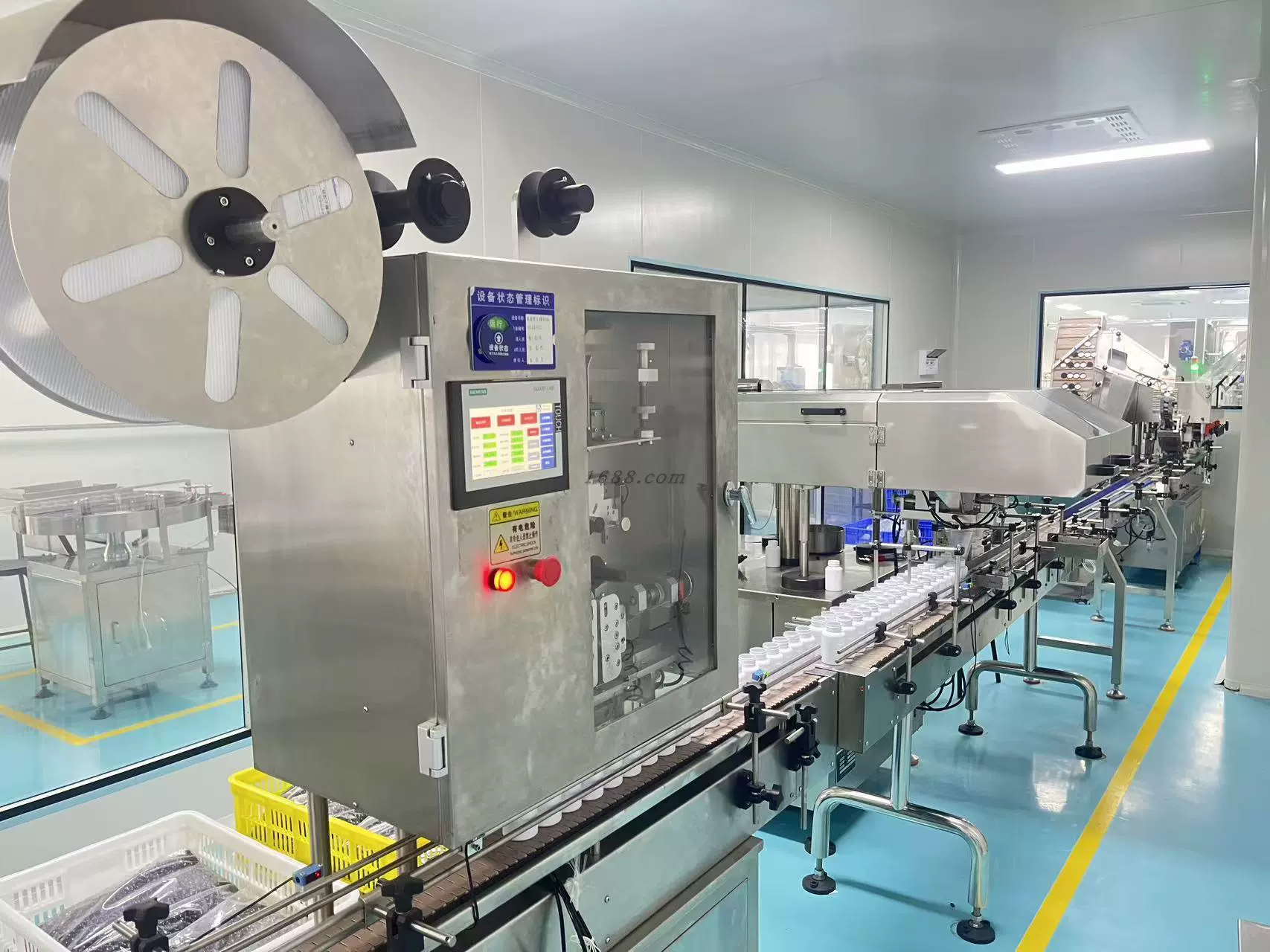
CIP works through four variables acting together: time, temperature, concentration and mechanical action. Too short and soil has no time to dissolve or lift; too cool and fat and protein soils resist emulsification and hydrolysis; too dilute and reaction rates fall short, too concentrated and equipment corrodes with residue left behind; too little mechanical action and the wall velocity is insufficient, so even good chemistry simply passes through. Soils on a plant beverage line are mainly polysaccharide, protein and fibre, so a two-stage routine of alkali for organic soil and acid for inorganic scale, with a rinse between and a final rinse with purified or softened water, is typical. Parameters should not be copied from another line; they must be established by cleaning verification and then written into the procedure.
Verification and sampling
Verification exists to prove the procedure brings residue to an acceptable level. Four views are normally taken. Visual inspection: open key pipe sections, valves and spray balls and confirm no visible residue and an even water film. Chemical residue: swab or rinse sampling for conductivity, total organic carbon or a specific marker. Microbiology: post-clean surface swabs and total plate count on the final rinse water, with indicator organisms where relevant. Equipment condition: seals, gaskets and spray balls checked for wear or blockage. Sampling points should cover the hardest locations - elbows, tees, low-level pipe runs, pump bodies and heat exchangers. Three consecutive successful runs are needed, with re-verification after equipment modification, a change of cleaning agent, or a significant change in product mix.
Routine monitoring and records
Passing verification is the start; day-to-day execution is what sustains it. Monitor four data sets: water conductivity, pH and residual chlorine or ozone; CIP detergent concentration, temperature and circulation time; conductivity and microbiology of the final rinse; and operating parameters of each treatment stage, such as reverse osmosis feed and permeate conductivity and differential pressure. Record per shift and review trends periodically so drift is caught early rather than reconstructed after a failed finished-goods test. Cleaning is also tightly coupled to scheduling - whether a changeover needs an intensified clean or a longer circulation should be stated in the procedure, not decided on the floor.
Common problems
Six recur on site. Treatment media and carbon are not replaced on schedule, so residual chlorine swings. CIP parameters are adjusted by feel with no verification behind them. Blocked spray balls leave zones untouched, and longer circulation is used to hide it. The final rinse uses untreated raw water. Cleaning records capture time but not temperature or concentration. And changeovers reuse the routine clean with no adjustment for product risk. These share one trait: none is hard to detect, but all require someone to review trends regularly. Putting water and cleaning on the agenda of the routine quality meeting is the cheapest improvement available.
Water and cleaning are the least glamorous and most easily neglected parts of plant beverage production. Set a specification for water, treat it in a defined flow, monitor at defined points; set CIP parameters against the four variables, execute to procedure, and verify by sampling. Hold those two lines steady and the microbiology and flavour of the finished product have a stable foundation.
Related Products
Milk Thistle, Kudzu & Turmeric Beverage with Sea Buckthorn Puree & Honey | Herbal Oral Liquid OEM | Liquid Fruit & Vegetable Salad Fiber Drink | Dietary Fiber Meal Replacement Vegetable Juice Beverage OEM
About Guangzhou Mesen Health Biotechnology Co., Ltd
Guangzhou Mesen Health Biotechnology Co., Ltd is located in the Huashan Science and Technology Park, Huadu District, Guangzhou. The company has focused on OEM and ODM services for the big health industry for nearly 20 years, operating dedicated research, production, sales and management centres, and maintaining long-term strategic partnerships with well-known Chinese medicine colleges and research institutions. Capabilities span pressed candy, gummies, capsules, solid beverages, herbal teas, plant beverages, protein powders, dietary supplements and enzyme jelly - from formulation development through contract manufacturing. For details on minimum order quantities, sampling lead times and quotations, see our manufacturing advantages and product range, or contact us for a tailored proposal.
Further Reading




