
Shipping Damage in Enzyme Jelly OEM: Compression, Stacking and Transit Tests
A jelly that looks perfect in the lab is worthless if it reaches the customer's warehouse leaking, distorted or seeping at the seal. Two properties make jelly unusually sensitive to transport. The body is soft and deforms slowly under load without recovering, and the pack is usually a cup or a pouch whose closure relies on heat sealing or welding, so it takes load quite differently from a rigid bottle or can. Real damage is rarely a single impact; it accumulates through stacking pressure, vibration fatigue and humidity change, and by the time it shows up an entire batch is affected. In enzyme jelly contract manufacturing, packaging validation belongs before mass production. This article covers failure modes, gel strength, cushioning, stacking, test methods and acceptance.

Three failure modes
Transit failures in jelly fall into three groups. The first is seal failure, seen as lifted lidding film at the cup rim or weeping at a spout weld, usually caused by insufficient sealing parameters or by shear and peel forces that multiply when packs shift against each other in a stack. The second is body distortion, where cups or pouches flatten, extrude product or take a permanent crease under sustained load, typically at the top of a stack or on the pallet edge. The third is damage to the contents, including gel network disruption and syneresis from vibration, where the pack looks intact but texture and mouthfeel have already changed. Because the causes and fixes differ, identify the mode first, then decide whether to change the pack structure, the formula or the logistics.
Gel strength and the formula
Gel strength from the formula is the foundation of compression resistance. Low hydrocolloid and high moisture give a soft, easily deformed body that recovers poorly; higher hydrocolloid and a tighter structure raise compression resistance but harden the mouthfeel. The formula therefore needs a balance point: usually, hold taste at the acceptable limit and lift gel strength one grade by reducing moisture slightly and increasing a hydrocolloid blend. Note that gel strength falls as temperature rises, and container interiors can get hot on summer routes, so real strength may be well below the laboratory figure. Design against the high-temperature condition rather than drawing conclusions from ambient data.
Pack format and cushioning
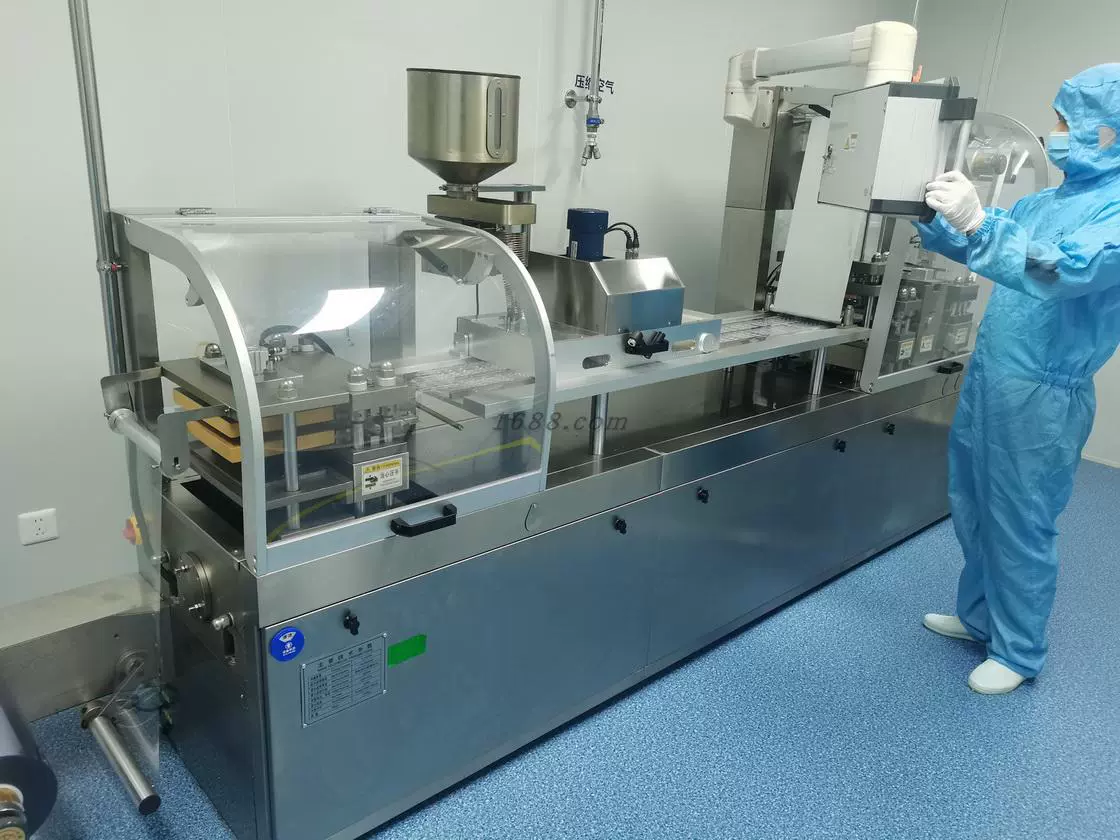
Cups, stand-up pouches and squeeze sticks handle force differently. Cups resist mainly through the side wall, so wall thickness and base curvature set the load capacity, and the tray or carton limits lateral shifting. Pouches depend on the body and spout, and the spout root is the weakest point, so it needs structural reinforcement. Squeeze sticks are the longest format and bend first in a stack, usually needing an outer carton for support. The principle of cushioning is to make the pack carry load as a single body rather than letting each unit take its own: dividers between rows, corner protectors on pallets, headspace cushioning in the carton and no direct contact between packs and carton walls are more effective than simply thickening material. Carton compression strength also falls in humid storage, which must be factored in.
Stacking and warehouse practice
Stacking is the most overlooked cause of transit damage. Cartons creep under sustained load, so the higher and longer the stack the worse the deformation at the bottom, and packs on the pallet edge see more shear than those in the middle. Sound practice means setting stack height from compression test data and writing it into the work instruction, using corner boards and stretch film on pallets, avoiding excessive stacking and long storage, and following first-in-first-out to shorten load duration. Transport adds horizontal force from road vibration and braking, so load restraint with air bags or dividers keeps cargo from shifting and striking repeatedly.

Running the transit test
Validation should mimic the real logistics chain. Typical items are drop testing, vibration, compression and conditioning. Drops cover handling and loading impacts, with heights and orientations set by weight. Vibration reproduces sustained road and sea movement and focuses attention on seals and spouts. Compression applies a constant load over time to reveal creep and distortion. Temperature and humidity conditioning simulates summer containers and cold-chain interruptions. Samples should come from normal production packs with the real fill, and after testing should be assessed on appearance, seal integrity, content condition and weight loss. Keep an untested control group so you can separate transport-induced change from a product problem.
Acceptance criteria and common mistakes
Agree acceptance criteria in advance rather than debating pass or fail after the test. A common approach sets a ceiling on acceptable damage rate and states that leakage and product contamination are never acceptable, since a leak damages the whole carton, not just one unit. Four mistakes recur: testing empty packs in the lab and ignoring the weight and movement of the fill; running drops only and skipping vibration and compression, which misses the dominant fatigue mechanism; blaming logistics without examining your own pack and stacking design; and changing packaging material or carton supplier after validation without retesting. Make packaging validation a fixed step in development and transit damage rates fall reliably.
Transit damage is decided jointly by formula, packaging and logistics. Set gel strength for the hot condition, make the pack carry load as one body, set stack height from compression data, and validate the whole assembly with drop, vibration and compression testing. Follow that order and the jelly reaches the customer intact and with the texture it was designed to have.
Related Products
Extra Strength Orange Enzyme Jelly with Prebiotics | Fruit-Flavored Cup Jelly Private Label OEM Manufacturer | Collagen Fruit & Vegetable Enzyme Jelly with Prebiotics | Custom Extra Strength Jelly OEM Factory
About Guangzhou Mesen Health Biotechnology Co., Ltd
Guangzhou Mesen Health Biotechnology Co., Ltd is located in the Huashan Science and Technology Park, Huadu District, Guangzhou. The company has focused on OEM and ODM services for the big health industry for nearly 20 years, operating dedicated research, production, sales and management centres, and maintaining long-term strategic partnerships with well-known Chinese medicine colleges and research institutions. Capabilities span pressed candy, gummies, capsules, solid beverages, herbal teas, plant beverages, protein powders, dietary supplements and enzyme jelly - from formulation development through contract manufacturing. For details on minimum order quantities, sampling lead times and quotations, see our manufacturing advantages and product range, or contact us for a tailored proposal.
Further Reading


