
Oral Liquid Supplement OEM Quality Control: Clarity, pH, Fill Volume and Visible Particles
Liquid supplements are the format that looks simplest and runs finest. A clear, bright bottle of oral liquid has passed through six main operations - blending, filtration, filling, sterilisation, inspection and packing - and every one of them has its own failure mode. The category also carries a characteristic that other formats do not: the product is fully transparent. Any fleck of glass, fibre or haze is visible to the consumer the moment they hold it up, and it will generate a complaint. This article follows the production sequence of liquid supplement OEM work and sets out the critical control points and release criteria at each of the five decisive stages.
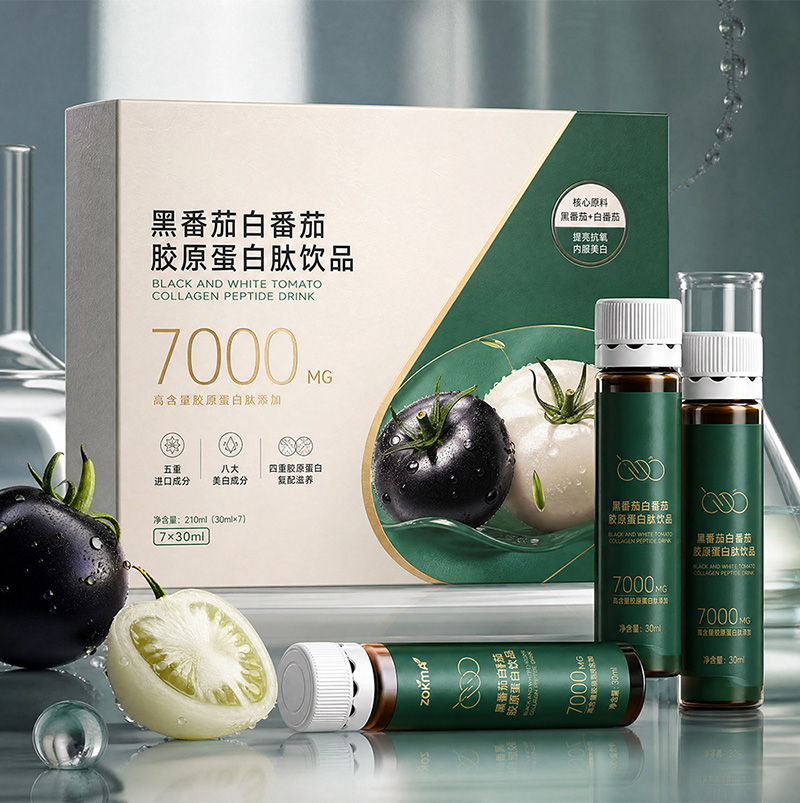
Blending: order of addition and temperature decide later stability
The risk in blending is rarely whether a material will dissolve. it is whether the solution stays stable once it has. Order of addition directly determines the outcome: dissolve difficult components first, establish the buffer system and stabilise pH before adding pH-sensitive actives, and add heat-sensitive materials - vitamin C, enzymes, postbiotic metabolites - only after cooling. Heat-sensitive formulations are typically dissolved below sixty degrees, while high-sugar systems can be taken higher to speed dissolution. Holding time also needs specifying, since some components require adequate chelation or hydration and insufficient holding shows up as slow precipitation after filling. Every one of these belongs in the process instruction, not the operator's memory.
pH is the first critical control point of the blending stage, and it drives four things at once: solubility of the actives, microbial stability, taste, and the effectiveness of the sterilisation step that follows. Most oral liquids sit between pH 3.5 and 6.5, and an acidic environment is itself inhibitory, which is why many liquid supplements need no preservative at all. The release criterion is normally a deviation of no more than plus or minus 0.5 from the declared value.
Filtration: where clarity and bioburden are decided
Filtration determines clarity. The conventional arrangement is three stages: coarse filtration at one to five microns to remove large particles and insolubles, polish filtration at 0.45 microns to cut the microbial load substantially, and sterilising filtration at 0.22 microns for products that cannot take heat. Filter media must be matched to the liquid: alcoholic or oil-containing systems have specific compatibility requirements, and the wrong membrane either swells or adsorbs the active.
Adsorption loss is consistently underestimated. Protein and polysaccharide components adsorb onto the membrane, particularly when a filter is new, so the first portion of filtrate can assay noticeably lower than the later portion. Standard plant practice is to specify a first-filtrate recirculation volume - returning the first several litres to the blending tank rather than sending them to the filler. Without that control, the first batches filled run systematically low and later batches run high.
Clarity is judged visually against black and white backgrounds under specified illumination, increasingly supported by instrumental turbidity measurement. A release specification that says "the solution shall be clear, free from visible turbidity and sediment" is workable, but it becomes far more usable with a numerical turbidity ceiling in NTU, because then a disagreement has something to point at.
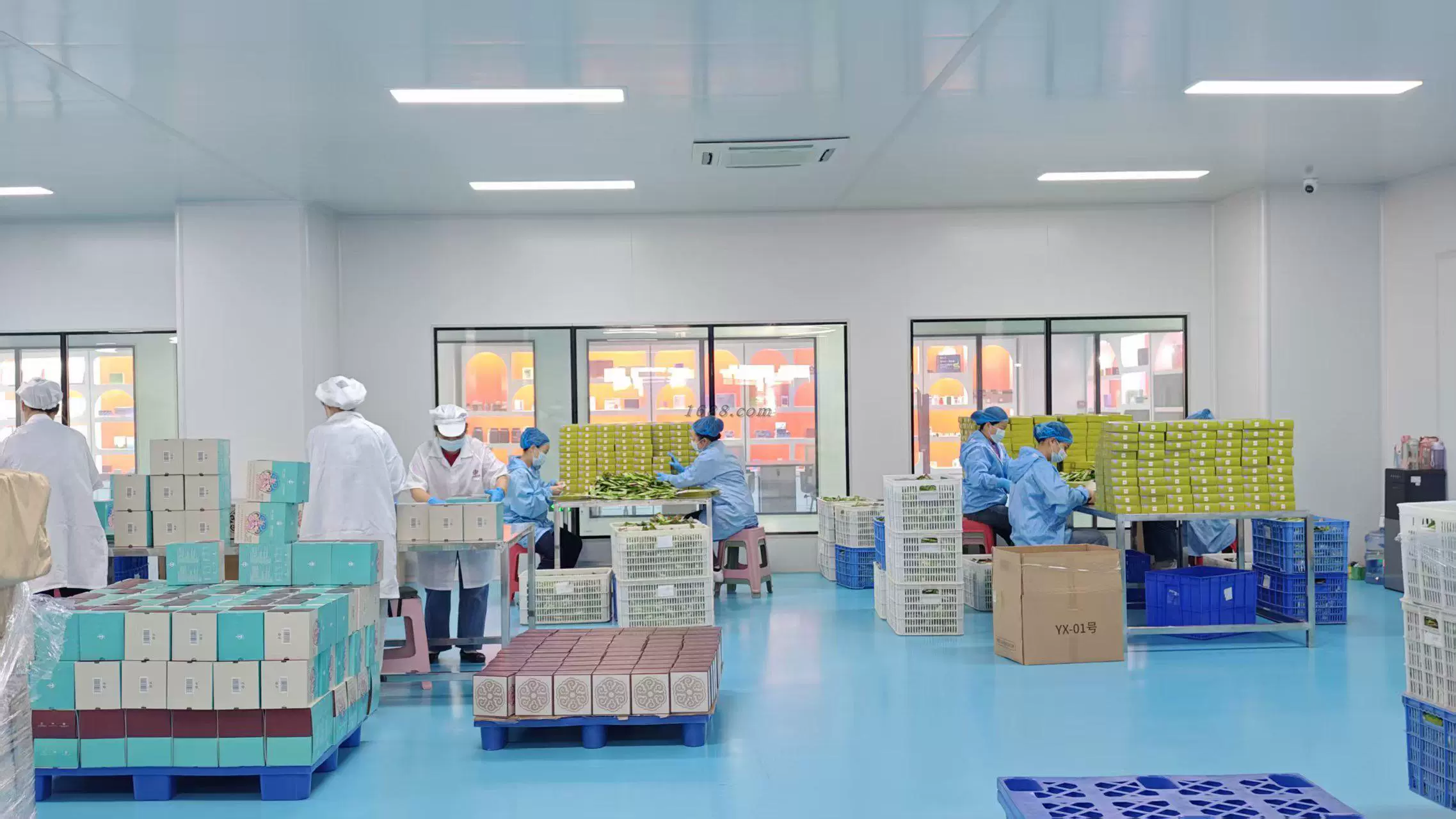
Filling: fill volume and closure
Filling accuracy is governed by liquid rheology. High-viscosity formulations - heavy in syrup, glycerin or polysaccharides - string and cling during filling, causing both fill deviation and contamination of the bottle mouth, and the latter directly compromises closure integrity. Surfactant-containing formulations foam, and foam occupies volume, so a bottle can look full while being underfilled.
Release criteria follow the same two-layer logic used for powders: the average fill may not fall below the declared volume, and individual deviations must stay within tolerance. Liquid supplements commonly run at ten to fifty millilitres, and the smaller the fill, the harder relative accuracy is to hold and the more the filler pump is stressed. Sampling at start-up, mid-run and before shutdown, recording both mean and extremes, is standard.
On closures, glass bottles typically use aluminium caps or snap-off ampoule necks, while plastic bottles use screw caps with a liner. Snap-off polypropylene or polyethylene ampoules are increasingly common in this category: they open easily and carry no glass particle risk, but they have a weaker barrier than glass, which must be assessed for oxidation-sensitive formulations. Seal integrity testing after closing - vacuum decay or dye ingress - should be routine at release, and is effectively mandatory on export orders.
Sterilisation: balancing F0 against heat-sensitive actives
Liquid supplements are typically sterilised by flowing steam or pasteurisation, generally below one hundred degrees for a defined hold time. Sterilisation intensity is quantified by the F0 value, the equivalent lethality at a reference temperature: a higher F0 means more thorough sterilisation and more damage to heat-sensitive actives. Formulations containing vitamins, enzymes, postbiotic metabolites or botanical volatile oils need reduced lethality combined with acidic pH, sterilising filtration or permitted preservatives. Cooling rate is just as important, because slow cooling extends effective heat exposure and accelerates colour darkening and flavour degradation - good plants write the cool-down time into the process instruction and record it.
Inspection: the last line of defence
Inspection is the final operation that removes units containing visible particles - glass fragments, fibres, rubber particles, flocculent precipitate and undissolved lumps. Manual inspection is the traditional method: each unit is inverted and observed against black and white backgrounds under defined illumination, typically one thousand to four thousand lux. Larger plants use automated inspection machines that combine high-speed imaging with fill-level checks.
One management point is regularly overlooked: inspector fatigue. Detection rates in manual inspection fall measurably after two continuous hours, so well-run plants rotate inspectors every thirty to forty-five minutes and periodically test detection rates against known defective standards. Automated machines need the same discipline - periodic sensitivity verification with standard defect samples - because otherwise "the whole batch passed" is indistinguishable from "the machine stopped detecting".
What the release record must cover
Put together, release testing for liquid supplement OEM should cover at least: appearance (clarity and colour), pH, fill volume with mean and extremes, visible particle inspection record, seal integrity, microbiology, and the content of any declared marker compound; products containing preservatives also need an assay confirming the level is within the regulatory limit and consistent with the label. For brand owners, liquid supplements are the format where quality investment shows most directly, because the consumer sees the result at a glance. In a dietary supplement OEM agreement, writing each of the items above into the quality protocol and requiring a per-batch release report is the most effective way to prevent the dispute that would otherwise arrive later.
Related Products
Calcium + Zinc Oral Liquid Blueberry Flavor | Zinc Gluconate Liquid Calcium Supplement for Kids OEM | Kids Liquid Calcium with High-Potency Vitamin K2 & D3 | Calcium Zinc Oral Liquid for Teens OEM
About Guangzhou Mesen Health Biotechnology Co., Ltd
Guangzhou Mesen Health Biotechnology Co., Ltd is located in the Huashan Science and Technology Park, Huadu District, Guangzhou. The company has focused on OEM and ODM services for the big health industry for nearly 20 years, operating dedicated research, production, sales and management centres, and maintaining long-term strategic partnerships with well-known Chinese medicine colleges and research institutions. Capabilities span pressed candy, gummies, capsules, solid beverages, herbal teas, plant beverages, protein powders, dietary supplements and enzyme jelly - from formulation development through contract manufacturing. For details on minimum order quantities, sampling lead times and quotations, see our manufacturing advantages and product range, or contact us for a tailored proposal.
Further Reading




