
Protein Powder OEM Cost Structure: Protein Level, Raw Material Market and MOQ Compared
Quotes for protein powder vary more than most buyers expect. Two plants asked for "whey protein powder" can come back at prices differing by a factor of three or four. The gap sits in three places: how protein content is stated, how the protein source is built, and where the raw material market stands. In protein powder OEM, understanding the cost structure is how a brand spends on the things that matter without paying for the things that do not.
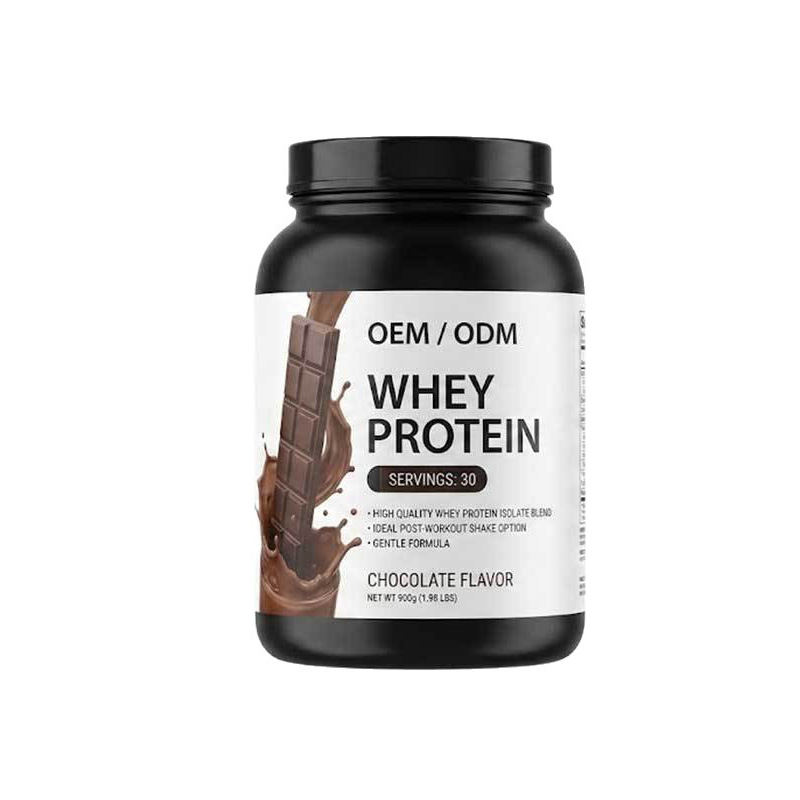
1. How protein content is stated: dry basis or as-is
This is the biggest trap in quoting. A label claiming 80 percent protein means different things on a dry basis and an as-is basis - at 5 percent moisture the two differ by roughly four percentage points. Whey protein concentrate also comes in grades such as WPC34 and WPC80, while whey protein isolate reaches 90 percent at a markedly higher price. Any enquiry must state protein source, grade, measurement basis and the test method behind it, or the quotes cannot be compared and the label may not even be compliant.
2. Blended protein sources: the usual cost lever
Pure whey is the most expensive option, so blending with soy isolate, pea or wheat protein is common to bring cost down. Blending itself is defensible - plant proteins complement whey in amino acid profile and can improve mouthfeel and body - but every source and its share must be declared honestly on the label. The problem is substitution without declaration, which amino acid profiling in third-party testing will expose. Brands should require the plant to provide the charge sheet for each protein source and the matching test reports, and write liability for adulteration into the contract.
3. Raw material market: whey powder is a cyclical commodity
Whey powder is a by-product of cheese making, so its price follows global dairy supply and demand, feed demand and exchange rates, swinging by more than 30 percent within a year, straight through to powder quotes. Two practical responses exist: agree a market-linked price with an adjustment mechanism, reviewed quarterly or per batch, or lock volume at a low point under a six- to twelve-month agreement. Locking suits established long-run products; market-linked pricing suits trial launches, where being stuck with expensive inventory hurts more.
4. Pack size and minimums: where unit cost turns
Protein powder cost is highly sensitive to pack size. A one-kilo tub and a 500-gram tub do not scale linearly - tub, scoop, seal membrane and carton each carry their own minimum, so the smaller size often costs more per unit. Canning line changeover and cleaning are billed per occurrence, so the larger the single run the lower the unit processing fee. Economic run sizes on a conventional canning line are 3,000 to 5,000 cans; below that, unit price climbs sharply, which is the main reason a first small order looks expensive. Brands often launch in the largest size on the assumption that it is cheapest per serving, then find the working capital tied up and the storage cost outweigh the saving.
5. Flavour and functional additions: the hidden line
Taste drives repeat purchase, and the flavour system - flavourings, sweeteners, thickeners - is consistently underestimated. Premium and cheap flavourings can differ several-fold in unit price, and the difference shows most in the back half of shelf life as the flavour fades. Adding branched-chain amino acids, glutamine or probiotics raises cost further. The better approach is to fix the flavour target and the end-of-shelf-life flavour requirement during formulation, letting the plant select the flavouring grade to meet it, rather than setting cost first and letting quality fall out of it.
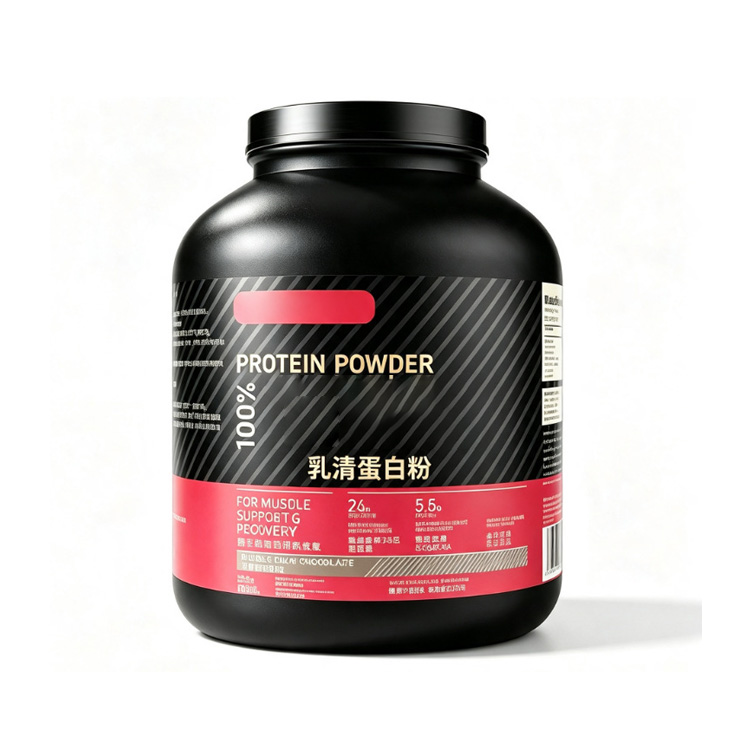
6. The right unit for comparison
Compare quotes on cost per serving, or better, cost per gram of protein, rather than price per kilo of powder. Cost per gram of protein equals price divided by net weight times protein content, and it exposes the real value of each source. Add packaging, processing, testing and loss to reach the landed cost. Once the unit is consistent, several cheap-looking quotes lose their shine and some expensive-looking ones turn out to be the better buy. Ask every supplier to quote on the same unit and the comparison becomes straightforward.
Related Products
Whey Protein Isolate with Vitamin B6 & B12 and Yeast Protein | Fitness Supplement OEM/ODM Source Manufacturer | Whey Protein Powder | Sports Nutrition Dietary Supplement Custom OEM
About Guangzhou Mesen Health Biotechnology Co., Ltd
Guangzhou Mesen Health Biotechnology Co., Ltd is located in the Huashan Science and Technology Park, Huadu District, Guangzhou. The company has focused on OEM and ODM services for the big health industry for nearly 20 years, operating dedicated research, production, sales and management centres, and maintaining long-term strategic partnerships with well-known Chinese medicine colleges and research institutions. Capabilities span pressed candy, gummies, capsules, solid beverages, herbal teas, plant beverages, protein powders, dietary supplements and enzyme jelly - from formulation development through contract manufacturing. For details on minimum order quantities, sampling lead times and quotations, see our manufacturing advantages and product range, or contact us for a tailored proposal.
Further Reading




