
Oral Liquid OEM Raw Materials: Solubility, Stability and Taste-Masking Specs for Owners
Oral liquid supplements give the formulator the least freedom and place the highest demands on raw materials. Everything must dissolve, stay stable in an aqueous system and bring no off-note or sediment with it. In oral liquid OEM, most failures trace not to a weak active but to solubility, pH compatibility and incompatibilities nobody checked. This guide covers ingredient selection by category.
1. Solubility is the first gate
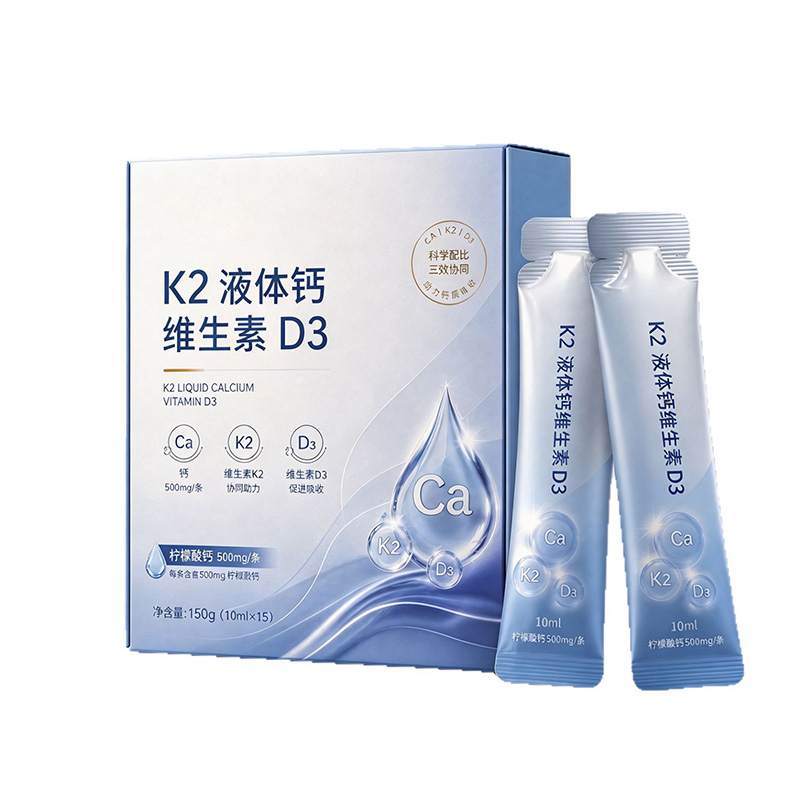
An oral liquid is a single-phase solution, so anything insoluble shows up as turbidity, sediment or ringing on the bottle wall. Start by checking the solubility curve and the usable pH range of each material. Fat-soluble actives such as vitamin E or coenzyme Q10 need micro-emulsification or solubilisation. Some botanical extracts dissolve poorly in water and require a water-soluble grade or a cyclodextrin inclusion complex. During sampling, run centrifugation and heat-cold cycling to expose precipitation risk early rather than finding sediment at the bottom of filled bottles. Where a material genuinely has to stay suspended rather than dissolved, the answer is a suspension format with its own rheology system, not a solution - and that changes the whole specification, from filling to labelling.
2. pH window and buffering
Most oral liquids sit between pH 3.5 and 5.5, balancing stability, microbial control and taste. Ingredient stability varies widely across that range: some vitamins hold well in acid and degrade fast near neutral, while pectin thickeners only build a stable system at low pH. Design in the right order - fix the target pH first, then shortlist ingredients stable in that window, then lock the pH with a citrate buffer so it does not drift in storage and cause colour shift or precipitation.
3. Taste masking: the most underestimated step
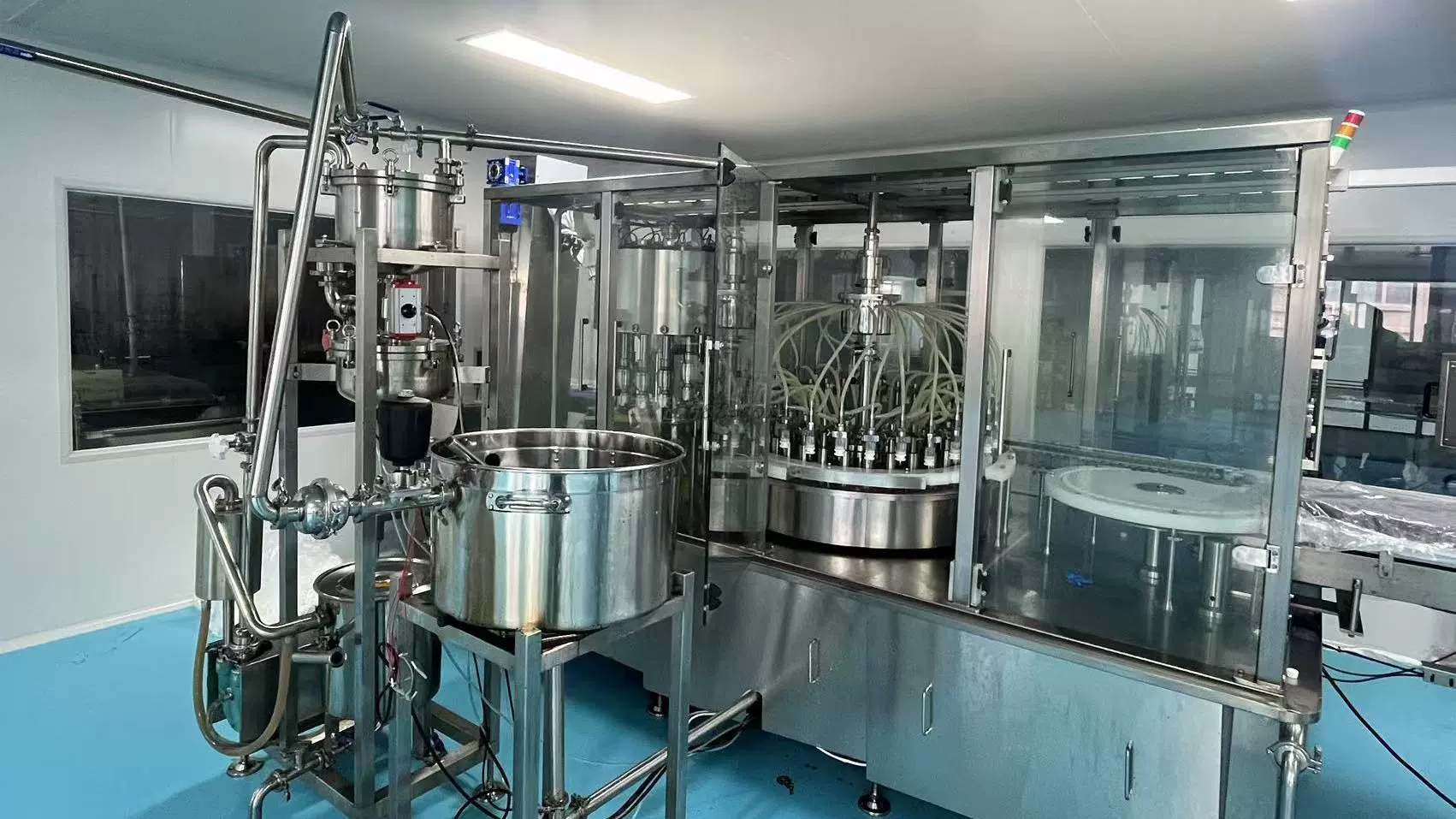
Bitterness, astringency and fishy notes from actives kill repeat purchase more than anything else, and masking is not simply adding more sugar. A complete scheme has four layers: a sweetener blend, sucrose with sucralose or stevia for both mouthfeel and lasting sweetness; acidulants such as citric or malic acid to cover late bitterness; a flavour chosen to harmonise with the base note, fruity or herbal; and masking agents, cyclodextrin complexation or maltodextrin adsorption. Blind-test at sampling, and repeat after accelerated testing, because some off-notes only develop during storage.
4. Three common incompatibilities
Incompatibility in oral liquids clusters into three types. Metal ions binding polyphenols and tannins into sediment, so iron and calcium need care alongside botanical extracts. Protein ingredients such as collagen peptide hydrolysing and turning in a high-acid system over time. Thickeners meeting high electrolyte levels and syneresing. A useful habit is to dissolve the active group and the excipient group separately, then combine, and to retain samples at 7 and 30 days during pilot work. Judge those retains in clear light against a black and white background: faint haze that passes a laboratory check still reads as spoilage to a shopper standing at the shelf.
5. Incoming inspection: more than the certificate
Acceptance testing for oral liquid ingredients should cover four areas: sensory, meaning colour, odour and caking; chemistry, meaning assay, moisture, pH and solubility; microbiology, meaning total count and mould and yeast; and heavy metals plus pesticide residues, which matter most for botanical sources. Microbial load deserves particular attention, since the product is water-rich and the count carried in by raw materials dictates how hard the sterilisation step must run, which in turn affects final flavour and colour. Disciplined plants retest each critical lot on receipt rather than filing the supplier certificate and charging it in.
6. Pack compatibility: the last gate
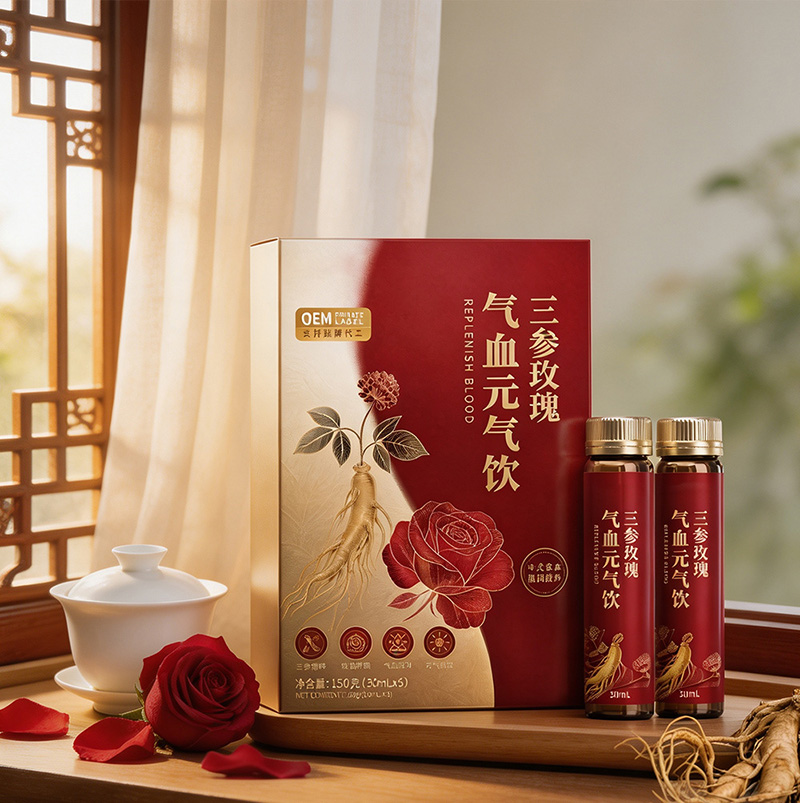
Once ingredients are fixed, verify how they behave with the container. Glass is the most inert and suits most formulas. With PET, watch for stress cracking and flavour scalping where essential-oil-type components are present. Aluminium laminate stick packs barrier well, but the seal layer needs compatibility testing against the fill. Some actives, riboflavin among them, are light-sensitive and need a light-blocking pack. Run compatibility work alongside pilot trials, because changing the pack after tooling costs far more than testing for it up front. Keep the retains in the commercial pack rather than in glass jars, or the study tells you nothing about the container you are actually buying.
Related Products
Calcium + Zinc Oral Liquid Blueberry Flavor | Zinc Gluconate Liquid Calcium Supplement for Kids OEM | Kids Liquid Calcium with High-Potency Vitamin K2 & D3 | Calcium Zinc Oral Liquid for Teens OEM
About Guangzhou Mesen Health Biotechnology Co., Ltd
Guangzhou Mesen Health Biotechnology Co., Ltd is located in the Huashan Science and Technology Park, Huadu District, Guangzhou. The company has focused on OEM and ODM services for the big health industry for nearly 20 years, operating dedicated research, production, sales and management centres, and maintaining long-term strategic partnerships with well-known Chinese medicine colleges and research institutions. Capabilities span pressed candy, gummies, capsules, solid beverages, herbal teas, plant beverages, protein powders, dietary supplements and enzyme jelly - from formulation development through contract manufacturing. For details on minimum order quantities, sampling lead times and quotations, see our manufacturing advantages and product range, or contact us for a tailored proposal.
Further Reading




