
Who Owns the Formula in Supplement OEM? Confidentiality, Ownership and IP Protection
The question most often postponed in OEM work, and most likely to explode when the partnership ends, is this: who actually owns the formula? The brand reasons that it supplied the concept and paid for the market build, so the formula should be theirs. The plant reasons that it did the development and process validation, so the formula should be theirs. In supplement OEM, that grey area has to be settled before signing, not discovered when you try to move production.

1. Three common ownership models
Practice recognises three arrangements. First, the brand brings its own formula and the plant only manufactures: ownership is clearly the brand's and the plant carries a confidentiality duty. Second, the plant supplies an existing formula and the brand changes only the packaging: ownership stays with the plant and the brand holds a licence to use. Third, joint development, which is where disputes come from. In that case the contract should state whether the formula belongs to the brand or is jointly owned, whether the plant retains rights outside competing categories, and what exclusivity or non-compete period applies. Unclear ownership is where every later argument begins.
2. The NDA: enforceable only if specific
What matters about a confidentiality agreement is not whether one exists but what it covers and what a breach costs. An effective one contains at least four elements: a definition of confidential information covering formula, process parameters, supplier identities and market data; a term, preferably no shorter than three to five years after termination; the scope of people permitted access, named by role rather than a blanket reference to employees; and a remedy, with a stated method of calculating damages rather than a vague undertaking to bear responsibility. A general promise of mutual confidentiality has almost no force when a dispute arrives.
3. Splitting the formula: keep the core yourself
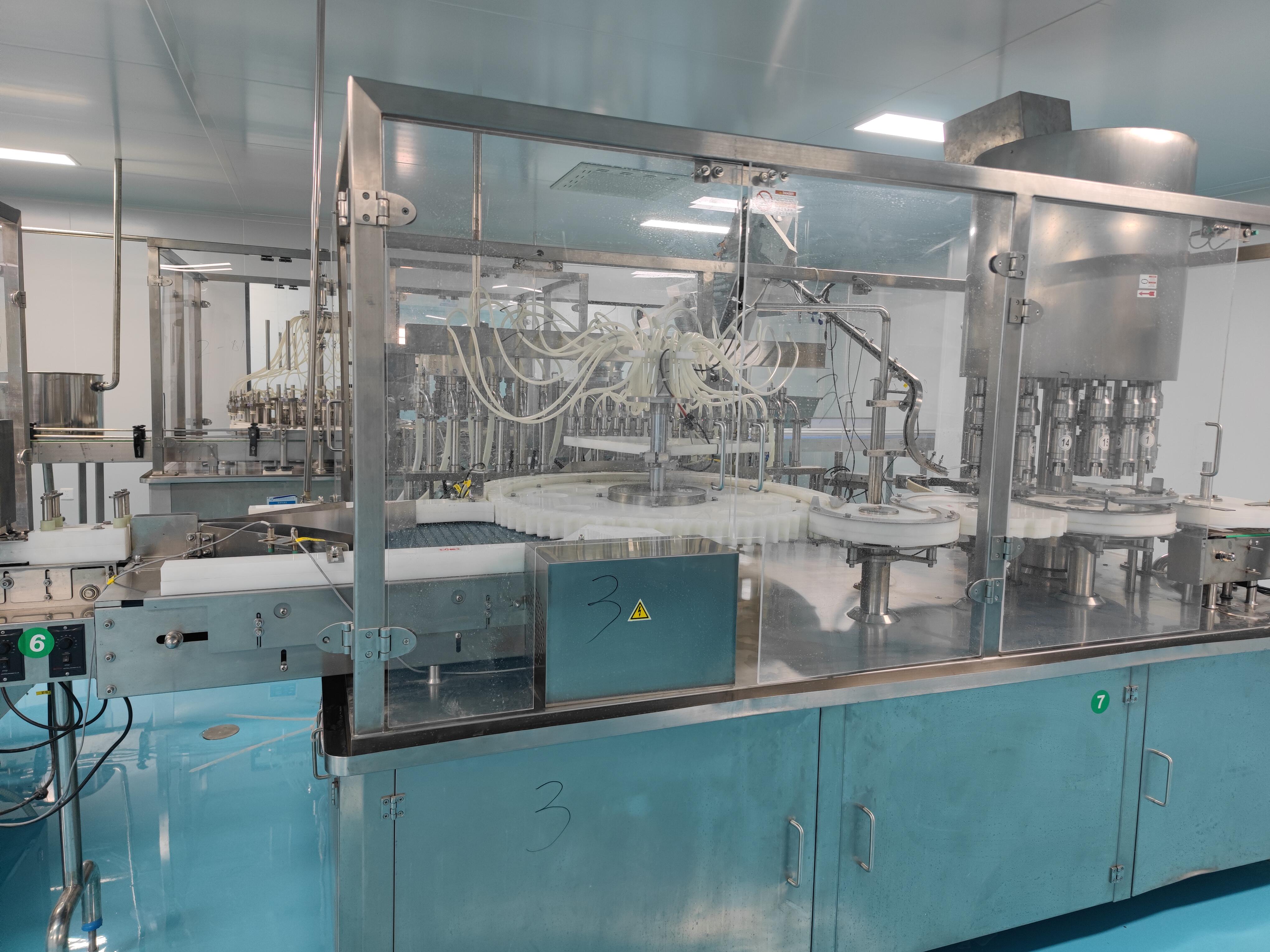
A stronger approach is to split the formula. The brand keeps the core active combination - the part that actually differentiates the product - purchasing it itself and delivering it to the plant, which then handles excipients and process implementation. Move to another plant and the core does not walk out with anyone. The cost is higher supply-chain overhead and the need to allocate responsibility for material loss clearly, but for a brand planning for the long term it is worth paying, particularly once a product has real volume.
4. Intellectual property: patents, trade marks and trade secrets
Formulas are usually protected as trade secrets rather than patents, since a patent requires disclosure and food formulas often fail the inventive-step test. What can be patented is a process, an equipment improvement or a specific extraction method. Trade marks must be registered by the brand itself and never held by the plant. Two traps recur in practice: the plant registers the brand's mark first, or patents a jointly developed process and uses it to block the brand from moving production.
5. Designing for portability before you need it
Many brands discover at the point of switching that the plant will not release the formula, no process parameters were ever documented, and the packaging tooling sits in the plant's warehouse. Three precautions prevent this. First, the contract should oblige the plant to hand over formula documentation and process parameters on termination. Second, packaging tooling should be covered - who paid for it, who owns it, who can collect it. Third, production records and test methods should travel with each batch as a baseline for later comparison. With those three in place, the leverage in a switch belongs to the brand. Settle as well who pays for re-validation at the receiving plant, since that cost otherwise becomes the last argument.
6. The plant's side: why it needs protection too
Confidentiality runs both ways. A plant serving many brands can unconsciously carry process experience from client A into client B, which may still amount to infringement. Disciplined plants run client formula segregation: separate numbering and storage for each client's formula, access limited to named people, and permission separation at system level. When auditing a plant, ask directly how formulas from different clients are kept apart - a plant that answers clearly is usually one worth trusting.
Related Products
Glycerol diester coffee OEM OEM OEM OEM OEM meal replacement coffee MCT live broadcast same solid beverage source manufacturer | GLP-1 Semaglutide Satiety & Fat Blocker Tablets | Custom Pressed Candy OEM Manufacturing
About Guangzhou Mesen Health Biotechnology Co., Ltd
Guangzhou Mesen Health Biotechnology Co., Ltd is located in the Huashan Science and Technology Park, Huadu District, Guangzhou. The company has focused on OEM and ODM services for the big health industry for nearly 20 years, operating dedicated research, production, sales and management centres, and maintaining long-term strategic partnerships with well-known Chinese medicine colleges and research institutions. Capabilities span pressed candy, gummies, capsules, solid beverages, herbal teas, plant beverages, protein powders, dietary supplements and enzyme jelly - from formulation development through contract manufacturing. For details on minimum order quantities, sampling lead times and quotations, see our manufacturing advantages and product range, or contact us for a tailored proposal.
Further Reading




